Marketing Analytics Strategist
Ryan Mitchell is a marketing analytics strategist specializing in campaign measurement, customer journeys, and marketing performance. He writes about analytics, reporting, and data-driven marketing strategies, helping SaaS and B2B teams measure what matters across every stage of the customer journey.

A campaign can deliver more clicks, lower cost per lead, and still produce fewer customers. The problem is not necessarily the campaign. It may be the metric used to judge it. Marketing analytics is the process of collecting and analyzing marketing data to understand performance, explain changes, forecast outcomes, and improve decisions. It connects channel […]

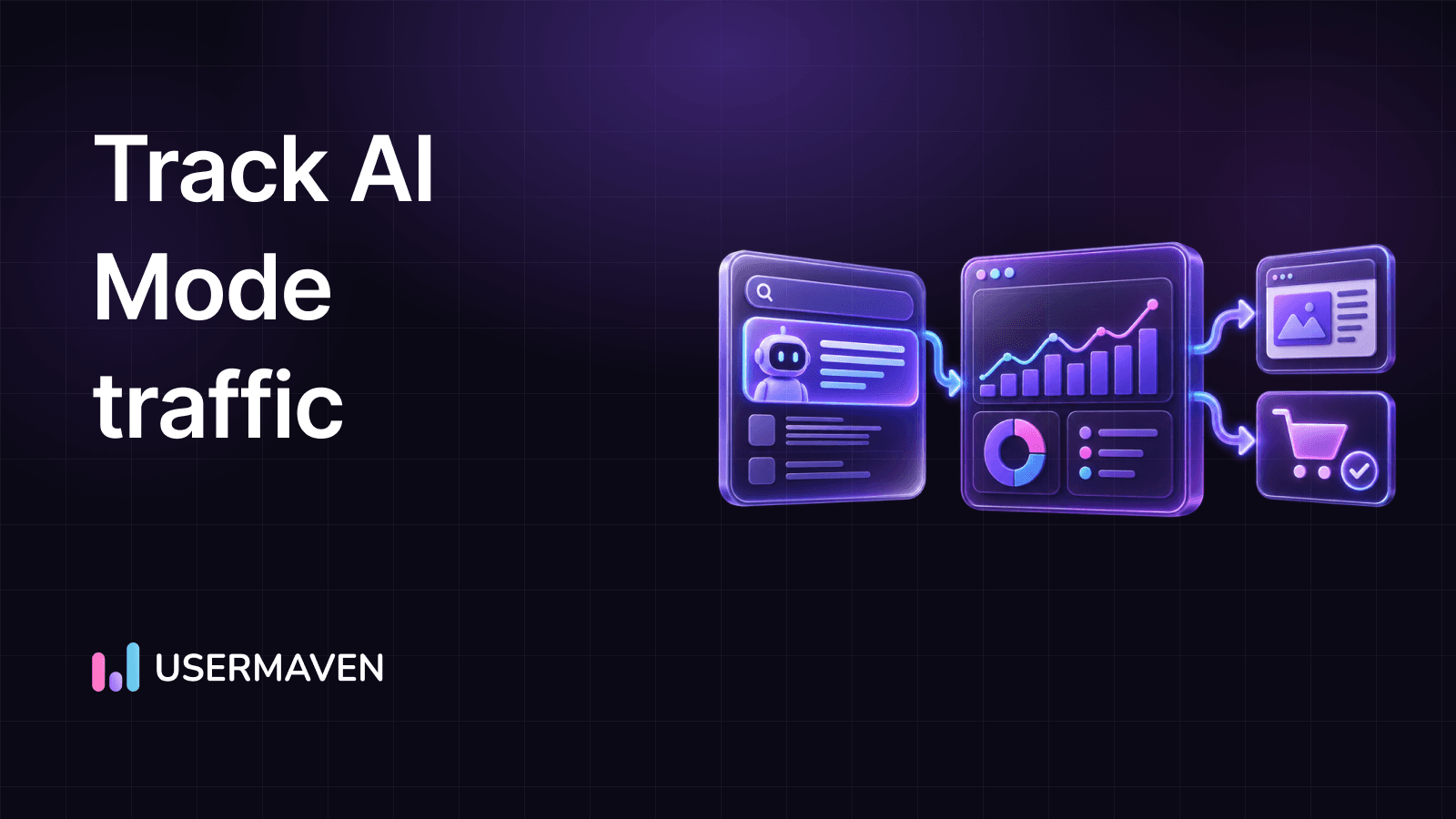
To track Google AI Mode traffic, start with the Generative AI performance report in Search Console. It shows impressions from supported AI search features, including AI Mode and AI Overviews. Clicks from those experiences contribute to ordinary Search performance. In GA4, Google AI Mode visits fall under Organic Search, not AI Assistant. Standard reports cannot […]

A buyer asks ChatGPT which software can connect campaign performance with pipeline. The assistant mentions several options, and the buyer clicks a comparison article. Three weeks later, that person returns through Google, books a demo, and becomes a customer. Which channel deserves credit? The answer changes depending on whether the report follows sessions, first touches, […]

Pendo can show which features customers adopt. FullStory can show exactly where they struggle. But neither question necessarily explains which campaigns brought valuable customers in the first place. Teams connecting acquisition to pipeline need revenue attribution software alongside product insights. That difference matters when comparing Pendo vs. FullStory vs. Usermaven. All three can analyze behavior, […]

Google Analytics 4 can show where visitors come from and what they do next. But if the real question is which marketing efforts create pipeline and revenue, traffic reports alone may not be enough. A marketing attribution tool can connect those early interactions with commercial outcomes. This Usermaven vs. Google Analytics (GA4) comparison examines tracking, […]

A potential customer asks ChatGPT for a product recommendation, clicks a citation, and lands on a website. The visit may appear in analytics. But the referral report alone cannot show whether that person became a lead or customer. Some ChatGPT clicks arrive with recognizable source information; others do not. Even when the visit is identifiable, […]

Most teams look at pricing first because it sets the rules for everything that comes after: tracking scope, reporting cadence, and who can actually use the data. Heap is a common pick for product analytics, so the key is understanding how its pricing plans are organized and how the model scales with real usage. In […]

Mixpanel is a popular choice for product analytics, and it’s easy to see why teams consider it early. Mixpanel has a free tier, a Growth plan with usage-based billing, and a custom Enterprise option. The cost depends on how many events your product generates and the features your team needs. For the real cost, look […]

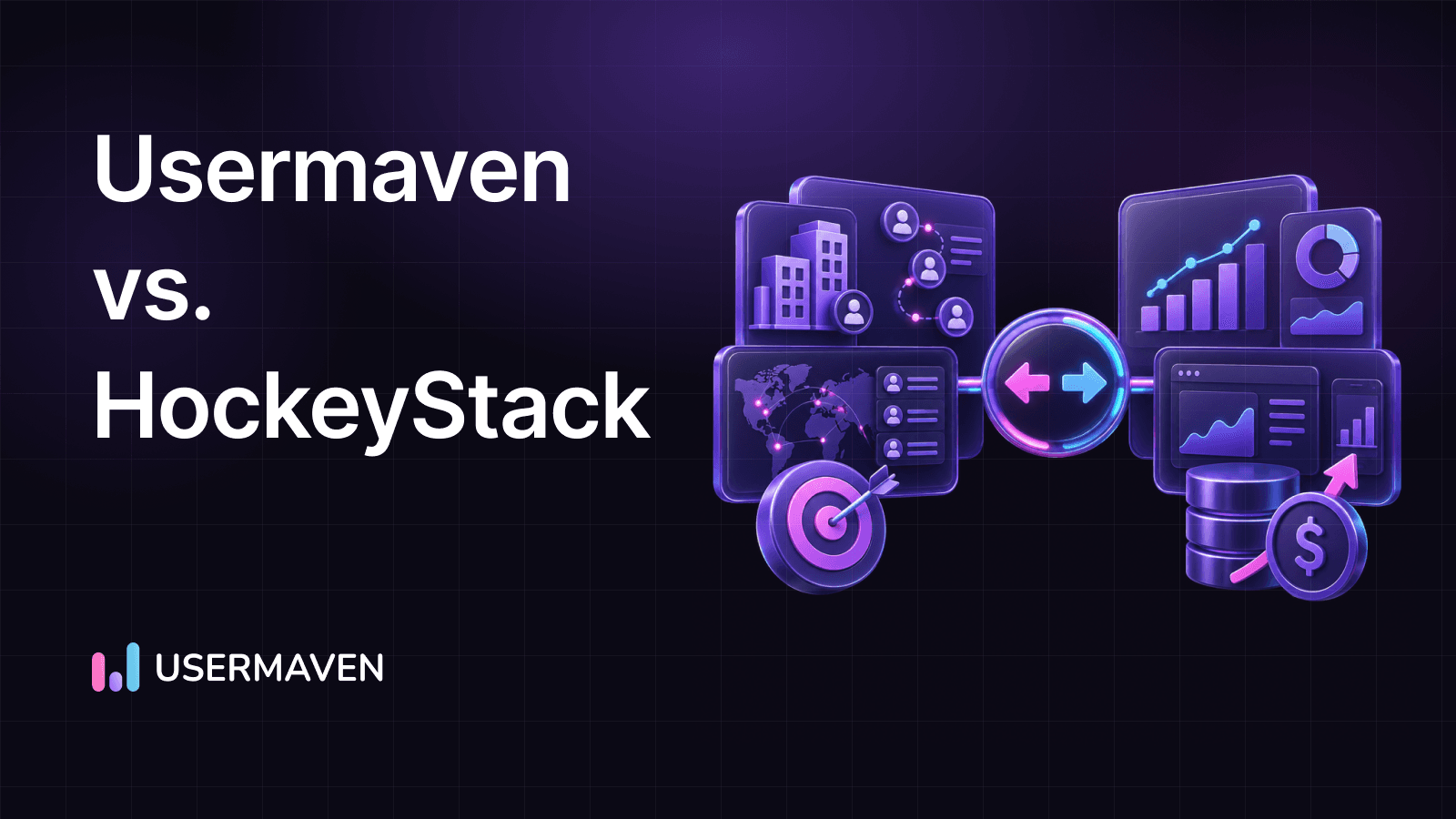
Usermaven and HockeyStack both help teams connect marketing activity with revenue, but they now solve different versions of the problem. Teams comparing marketing attribution software should look beyond attribution checkmarks and ask what happens before and after the attributed conversion. HockeyStack has expanded into enterprise GTM intelligence, account scoring, incrementality, and AI-driven revenue workflows. Usermaven […]