 Is your tracking broken? Fix with Measurement Trust Center.Explore now →
Ryan Mitchell
Marketing Analytics Strategist
Ryan Mitchell is a marketing analytics strategist specializing in campaign measurement, customer journeys, and marketing performance. He writes about analytics, reporting, and data-driven marketing strategies, helping SaaS and B2B teams measure what matters across every stage of the customer journey.
Read articles by Ryan
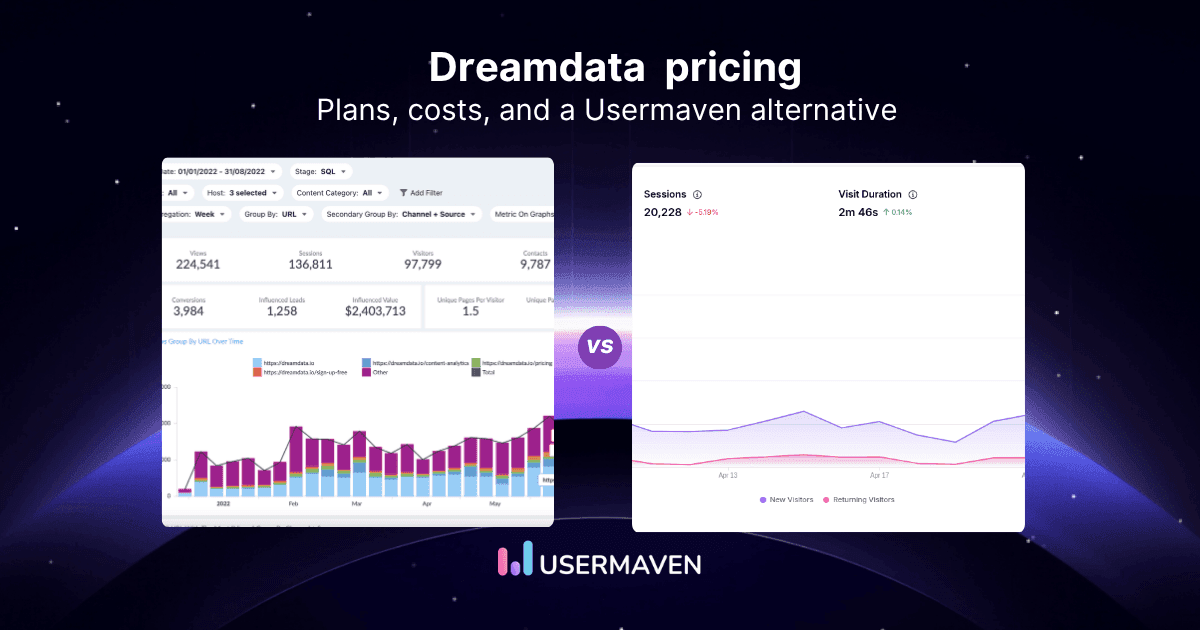
Dreamdata pricing 2026: Plans, costs & what you actually pay
Dreamdata pricing is unusually easy to misread in 2026. Search results still surface older paid starting prices, while Dreamdata’s live pricing page now publishes only a $0 Free plan and custom pricing for advanced attribution. That makes the buying question less about finding one sticker price and more about understanding what the Free plan can […]
10 best ad tracking software for startups in 2026
Startups rarely need more dashboards. They need one clear answer: which ads create customers and revenue? A lean team should connect spend with signups, qualified leads, product activity, pipeline, and purchases without turning measurement into an engineering project. The right marketing attribution software should make that path easier to see and act on. This guide […]

HubSpot + Usermaven integration: From CRM to revenue
HubSpot can tell you who became a contact, which deals entered the pipeline, and how much revenue eventually closed. The harder question is what happened before, between, and after those CRM milestones. Connecting Usermaven with HubSpot adds behavioral and attribution context around those CRM outcomes. Website visits, product activity, acquisition sources, CRM stages, sales engagements, […]
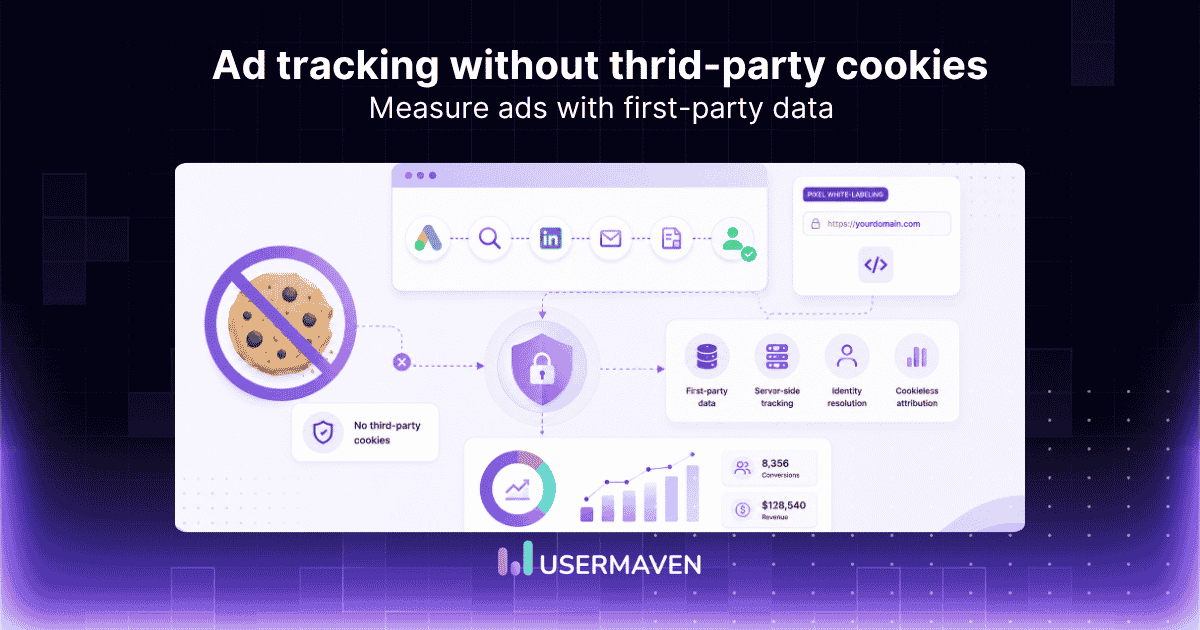
Ad tracking without third-party cookies: 8 methods
Third-party cookies are no longer dependable enough to carry ad measurement on their own. Ad tracking remains possible, but marketers need a different foundation. Modern ad tracking connects campaign parameters, click identifiers, first-party events, consented customer data, CRM outcomes, and server-side conversion feedback. The key is to separate measurement from targeting. Tracking asks whether an […]
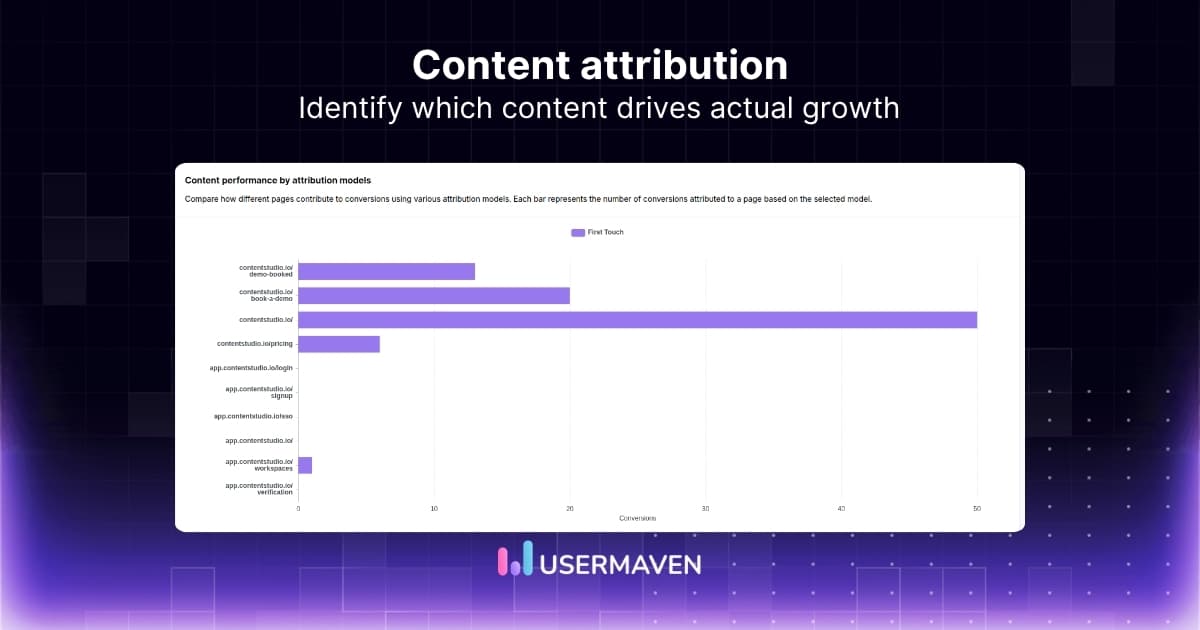
Content attribution: How it works, models & tracking
A blog post can introduce a buyer to your brand without ever being the page where they convert. A case study may move an opportunity forward weeks later, while another channel eventually receives the final click. Content attribution closes that gap. With the right marketing attribution software, teams can connect content interactions with conversions, pipeline, […]
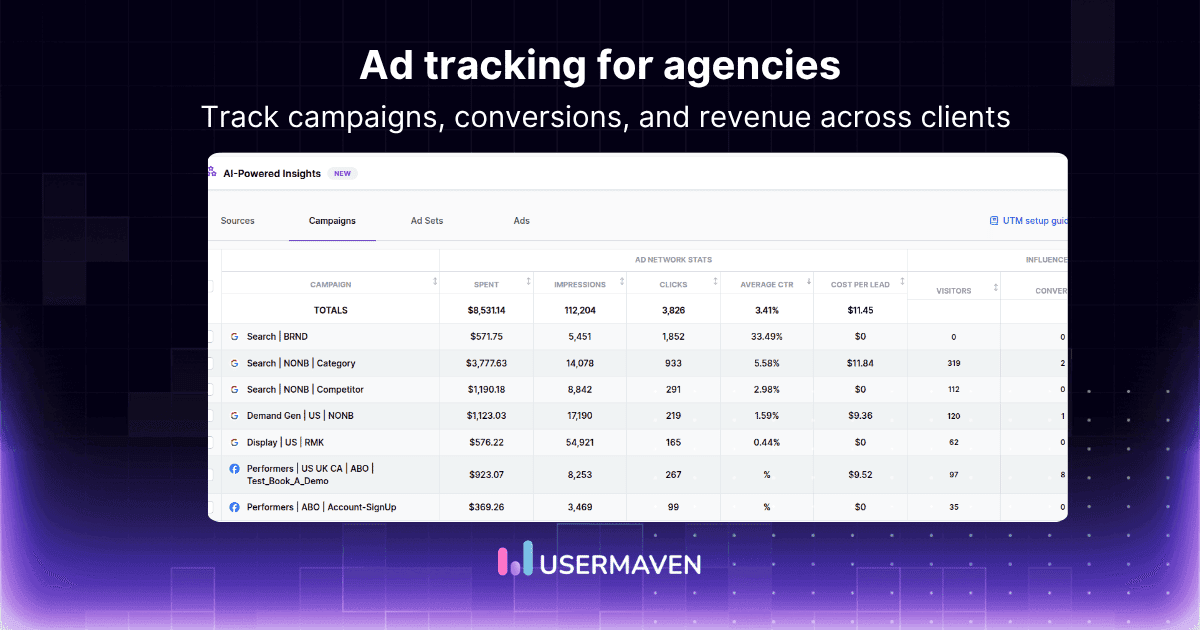
Ad tracking for digital marketing agencies (Guide)
A digital marketing agency may manage Google, Meta, LinkedIn, TikTok, Microsoft, and other paid channels for several clients at the same time. Tracking gets harder because every client can have a different website, CRM, funnel, conversion, and revenue source. The goal is not simply to record clicks. Agencies need ad tracking that connects paid media […]
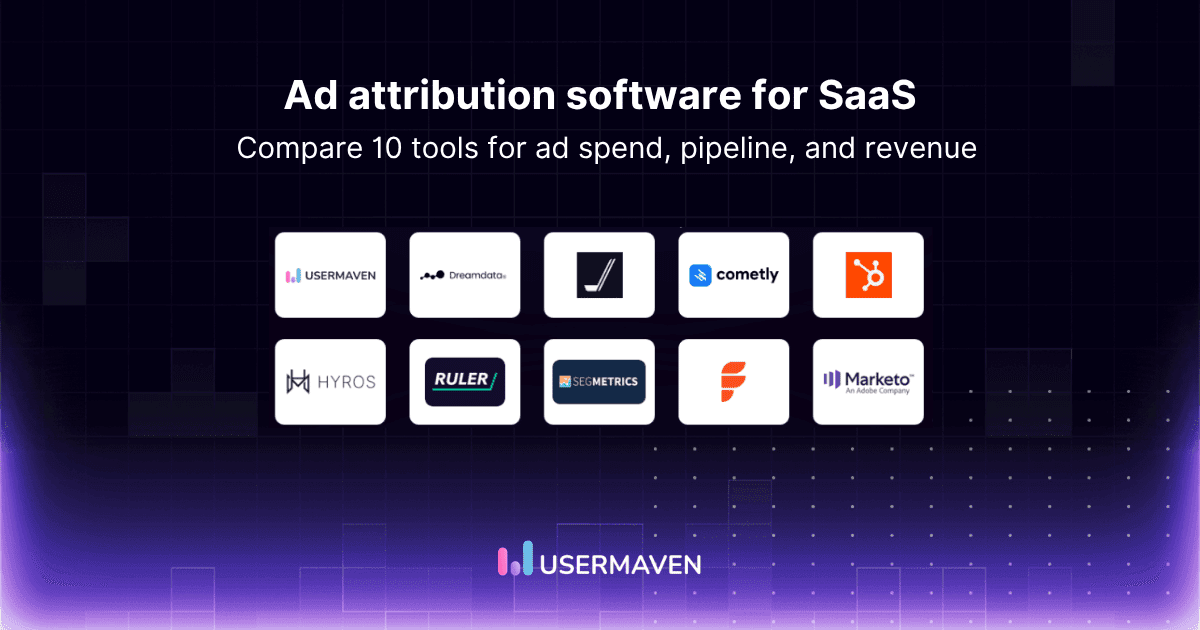
Ad attribution software for SaaS: 10 tools for B2B & PLG
A SaaS ad campaign rarely ends at the signup. A buyer can click a LinkedIn or Google ad, start a trial, use the product, return through email or organic search, enter the CRM, and become recurring revenue weeks later. That is why SaaS teams need more than a generic ad attribution software. The measurement layer […]
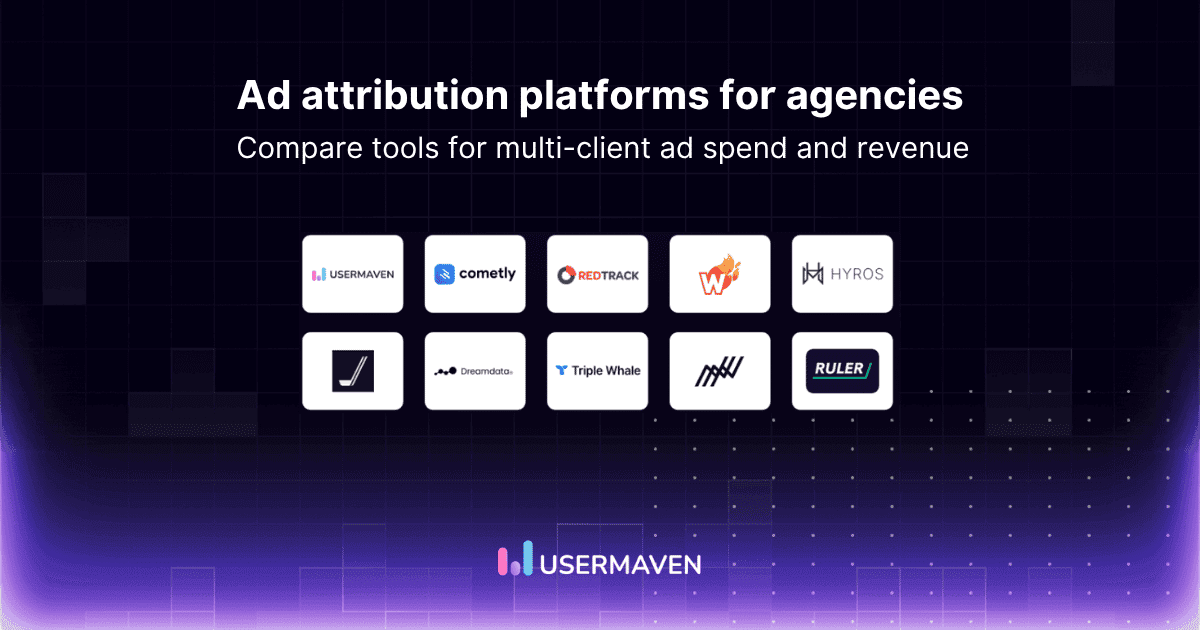
Best ad attribution platform for agencies in 2026
Agencies often manage Google, Meta, LinkedIn, and other paid channels across multiple clients, yet every platform can report a different version of conversion performance. An ad tracking software setup captures clicks and conversions, but agencies also need consistent attribution across client accounts, channels, CRM data, and revenue. This guide compares ten ad attribution platforms by […]
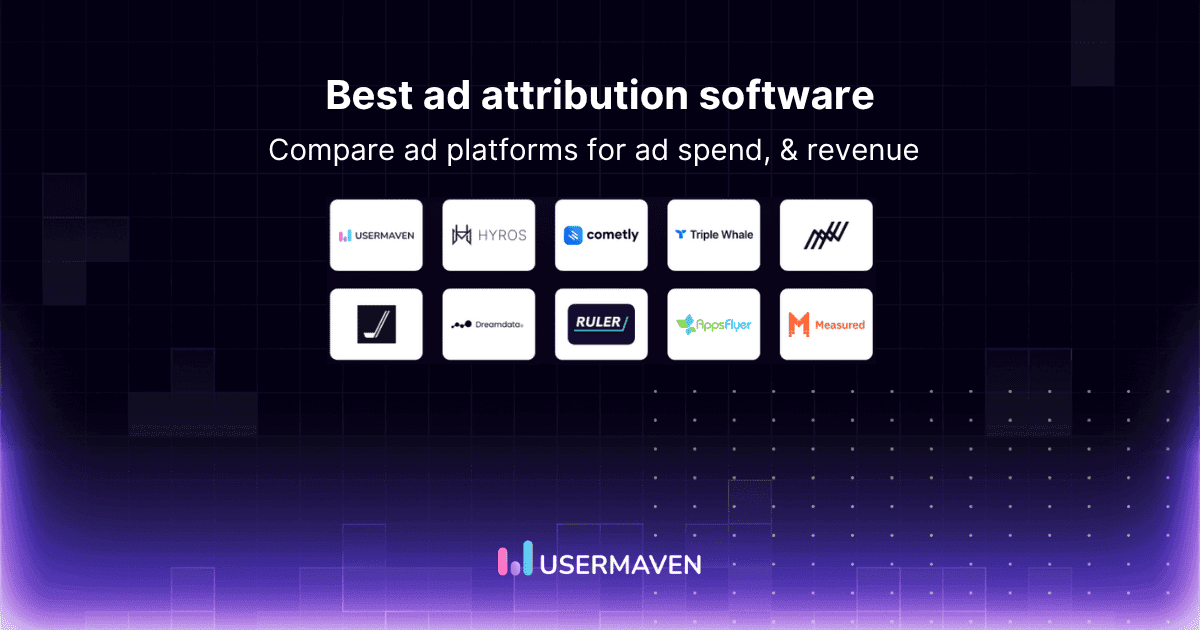
Best ad attribution software platforms for reliable ad spend
Advertising teams rarely lack conversion data. The harder problem is deciding which number to trust when Google, Meta, analytics, CRM, and revenue systems report different versions of the same customer journey. Ad attribution software creates a consistent measurement layer across those systems so teams can connect ad spend with conversions, customer journeys, pipeline, and revenue. […]