
Marketing attribution
Learn how marketing attribution works, compare attribution models, track customer touchpoints, and connect marketing to revenue.
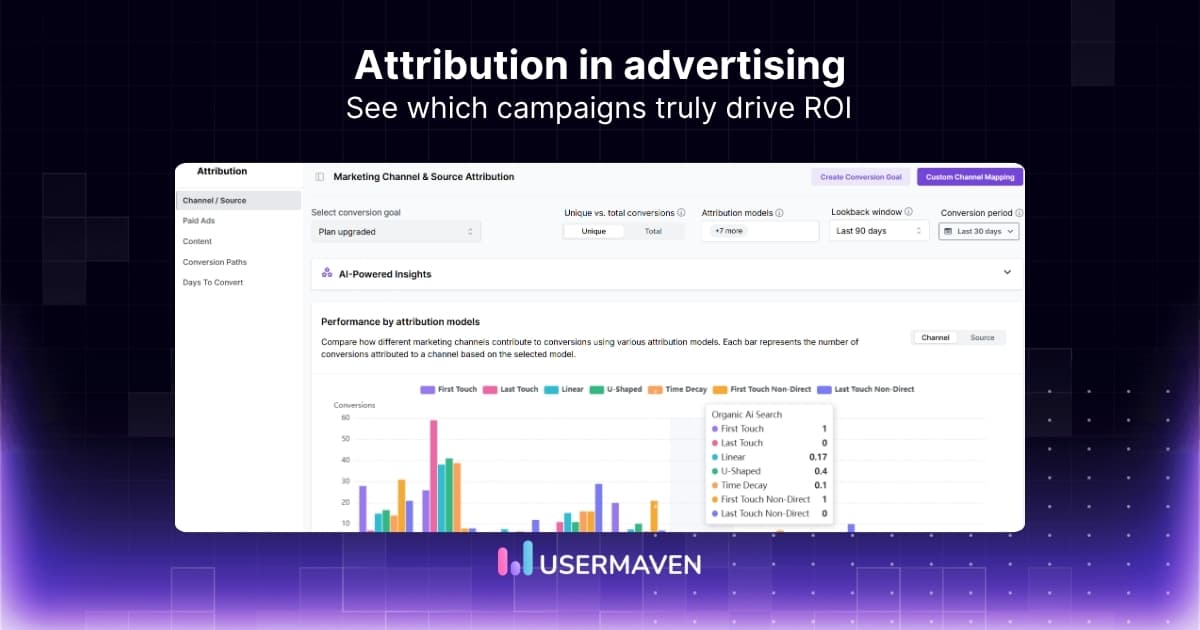
A marketer’s guide to attribution in advertising & ROI growth
Your Google Ads dashboard reports 120 conversions. Meta Ads claims another 85. But your CRM shows only 150 new leads. So which ads actually contributed to those results? That’s where attribution in advertising comes in. It helps marketers understand how different ads, campaigns, and marketing touchpoints contribute to conversions by assigning credit across the customer […]
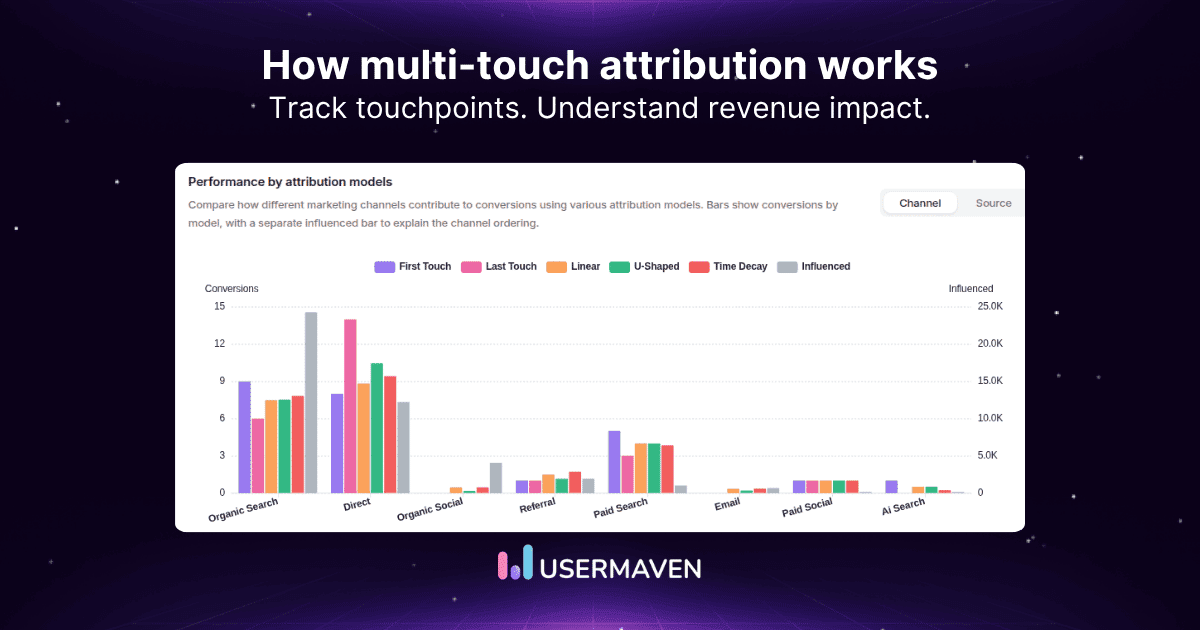
How multi-touch attribution works in 7 simple steps
Your marketing reports might be giving 100% of the credit to a channel that did only part of the work. That’s the problem with relying on a single touchpoint to explain a conversion. The channels that create awareness, build interest, and move buyers closer to a decision can disappear from the results. Multi-touch attribution changes […]
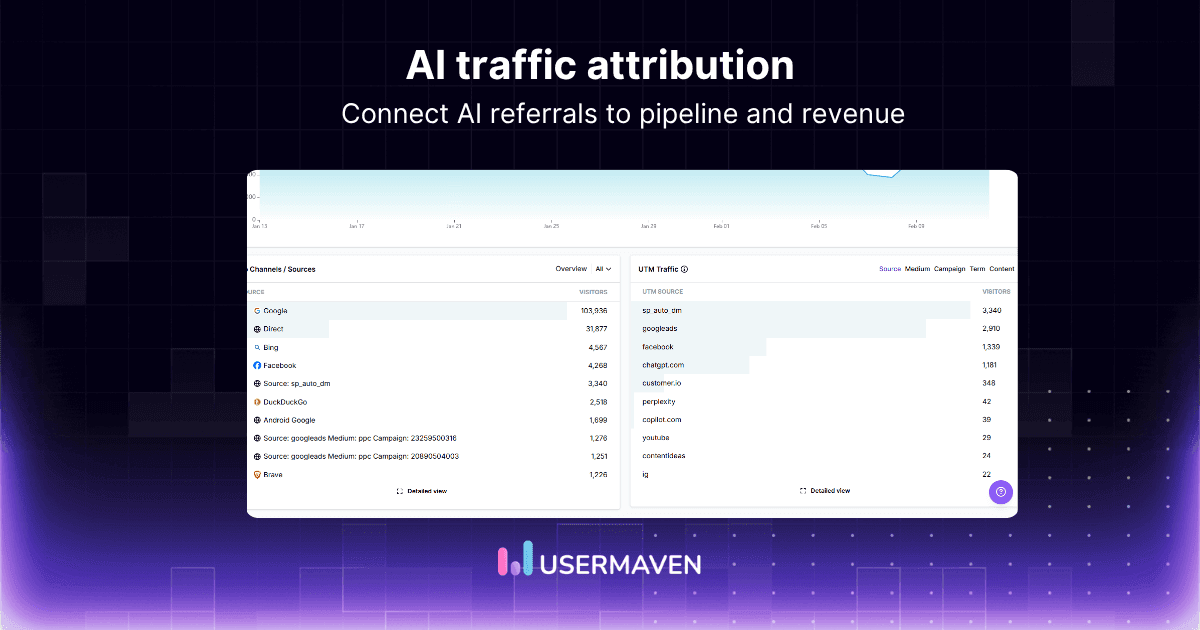
AI traffic attribution: From AI referrals to revenue
A buyer asks ChatGPT which software can connect campaign performance with pipeline. The assistant mentions several options, and the buyer clicks a comparison article. Three weeks later, that person returns through Google, books a demo, and becomes a customer. Which channel deserves credit? The answer changes depending on whether the report follows sessions, first touches, […]
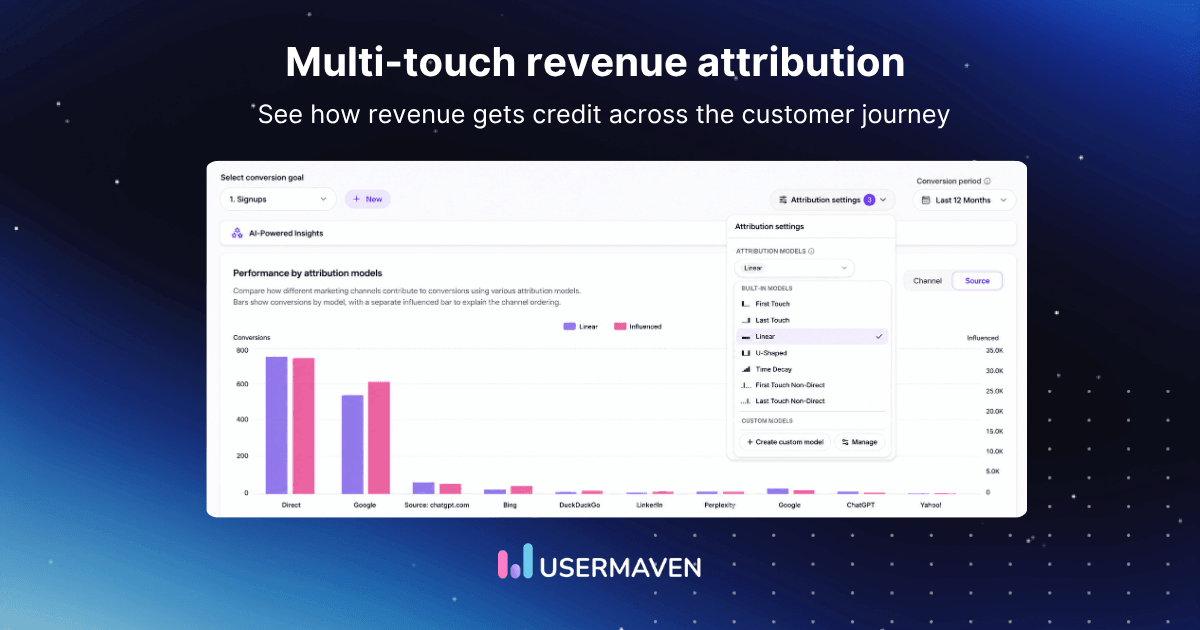
Multi-touch revenue attribution: How revenue gets credit
A buyer can discover a company through LinkedIn, return through organic search, attend a webinar, click a paid ad, and close weeks later. Giving the full deal value to one interaction hides how the journey actually developed. Multi-touch revenue attribution solves a narrower problem than ordinary channel reporting. It distributes revenue credit across the eligible […]
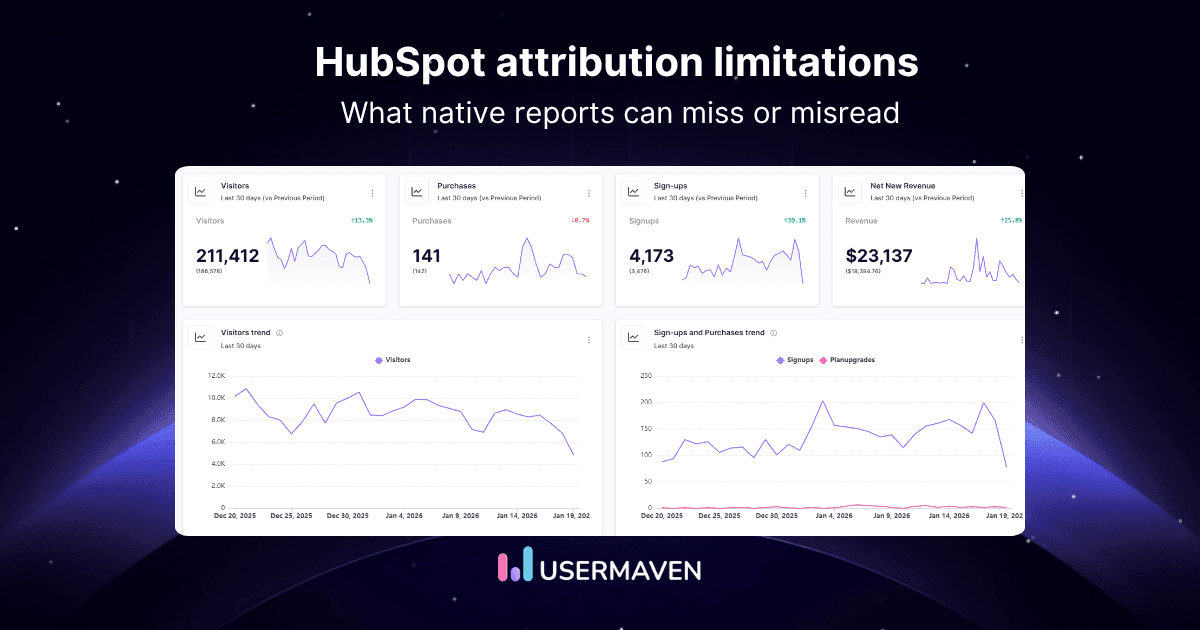
HubSpot attribution limitations: What the reports miss
HubSpot can produce an attribution report that is technically correct and still leave a team with the wrong answer to its business question. Sometimes the constraint is native to the report. Sometimes the real problem is missing tracking, incomplete CRM associations, or a customer interaction that was never captured. The distinction matters because changing the […]
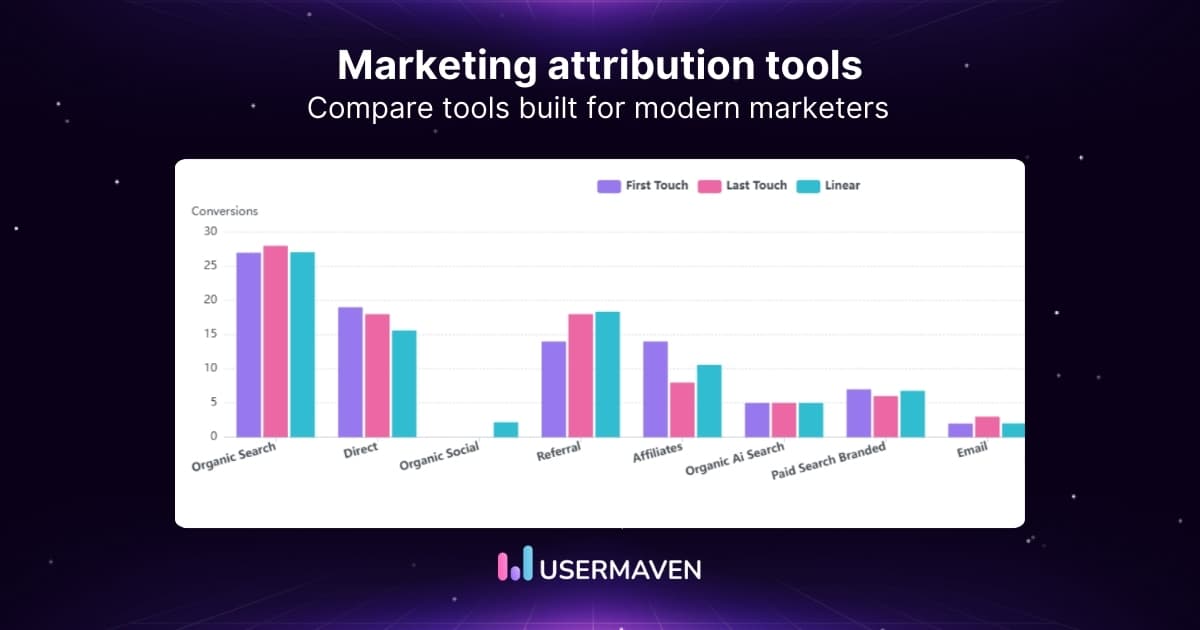
17 best marketing attribution tools (compared for 2026)
Marketing teams have more data than ever before. Yet many still struggle to answer a simple question: Which marketing efforts are actually driving revenue? Customers rarely convert after a single interaction. They may discover your brand through a Google search, click a LinkedIn ad a week later, join your email list, attend a webinar, and […]
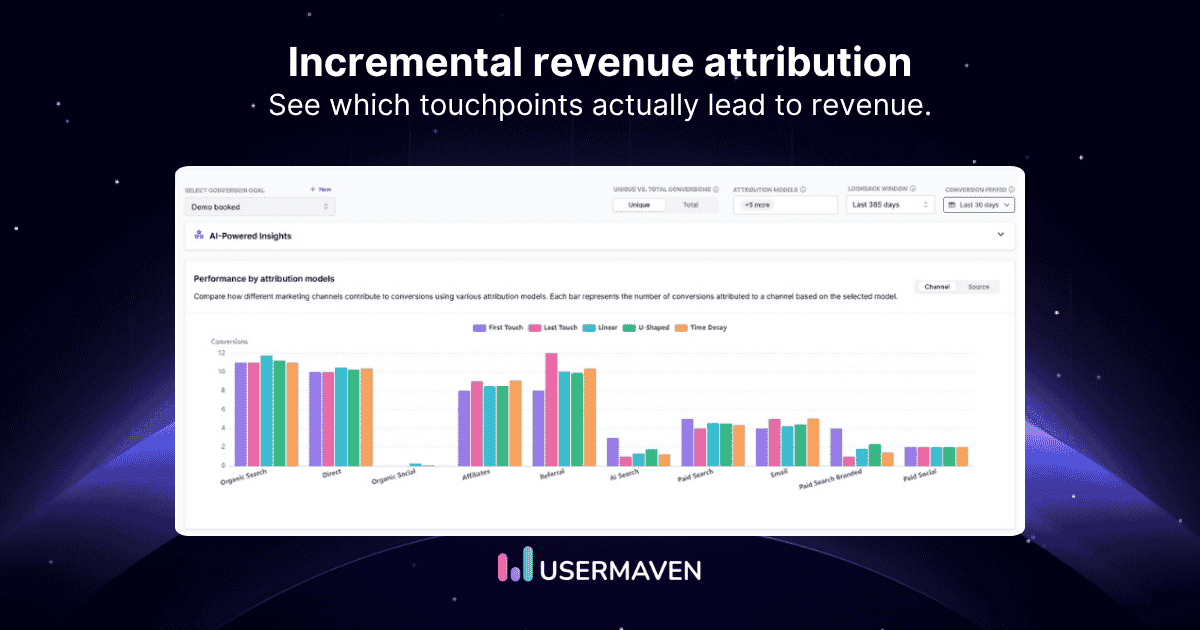
Incremental revenue attribution: Measure true marketing lift
Meta reports $500,000 in attributed revenue. The CRM confirms that those customers purchased. But how much of that revenue would still have happened if the ads had never run? That is the difference between attribution and incrementality. Attribution explains which observed marketing interactions receive credit. Incrementality asks what additional business outcome marketing actually caused compared […]
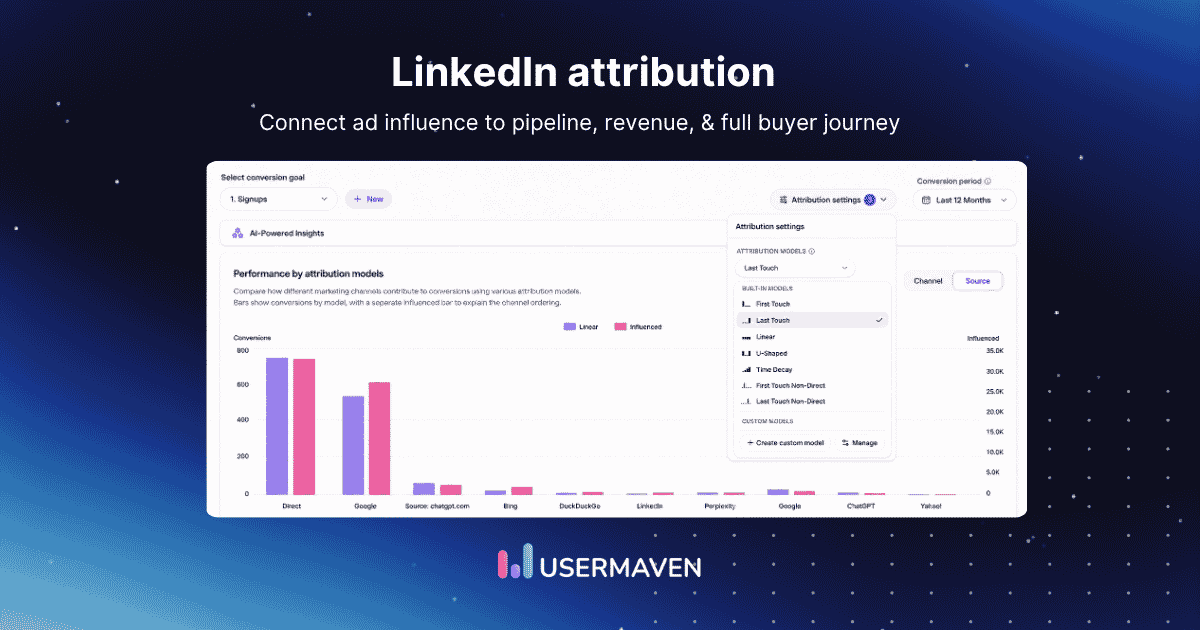
LinkedIn attribution: Track revenue & measure campaign impact
LinkedIn says an ad influenced the conversion. The CRM says the opportunity came from Organic Search. A multi-touch report shows LinkedIn early in the journey and email before the demo. Which source should get credit? All three can be internally consistent because they may be answering different questions. LinkedIn conversion attribution, LinkedIn revenue influence, and […]
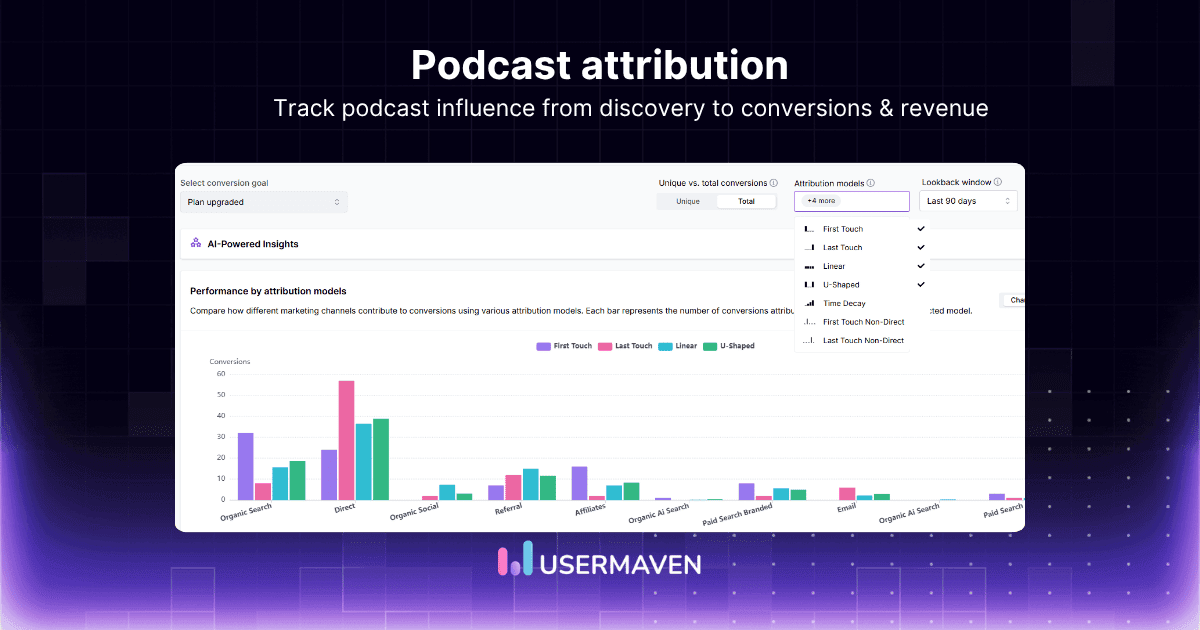
Podcast attribution: How to track impact and revenue
A listener hears your company on a podcast during their commute. Twelve days later they Google the brand, read two articles, return through LinkedIn, and request a demo. Analytics says “Organic Search.” The buyer says “Podcast.” Both can be correct. Podcast exposure often happens away from the website, without a click, on another device, and […]
Showing 9 of 88 articles
Load more articles