 Is your tracking broken? Fix with Measurement Trust Center.Explore now →
Junaid Ahmed
Content Writer & Digital Marketer
Junaid Ahmed is a content and copywriter with 3+ years of experience creating research-driven content across SaaS, B2B, ecommerce, and digital marketing. He specializes in turning complex topics into clear, practical content that helps marketers better understand their challenges, evaluate solutions, and make informed decisions. His work spans educational content, industry insights, and actionable marketing guides.
Read articles by Junaid
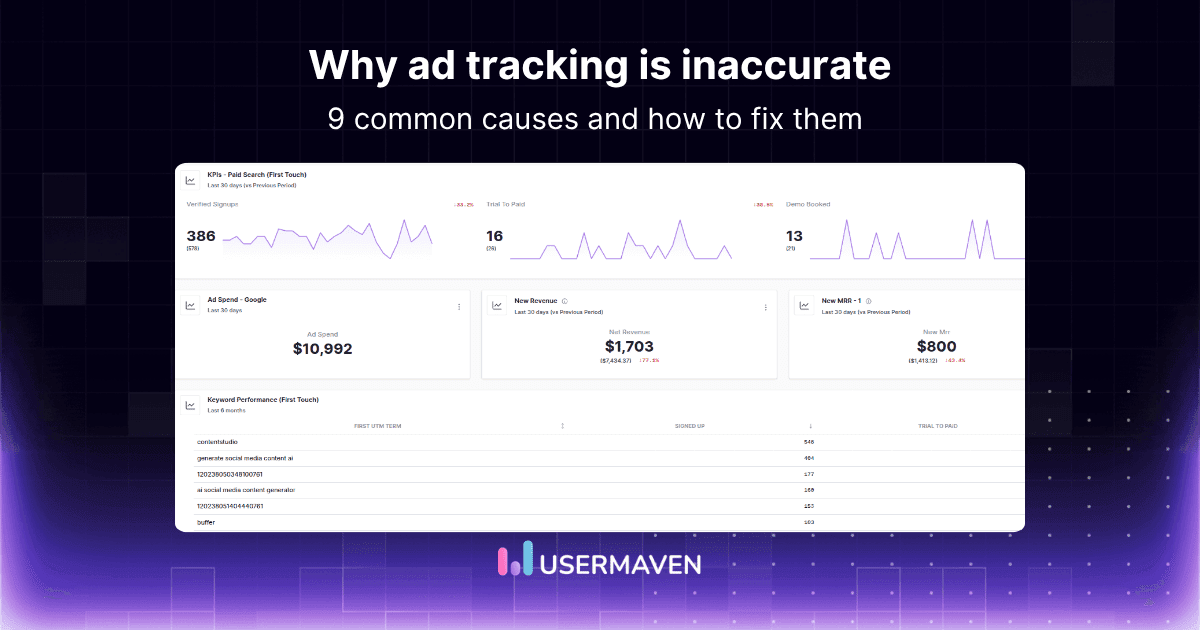
Why Ad tracking is inaccurate: 9 causes & fixes
Meta says a campaign generated 100 conversions. Google reports 73. Analytics records 58, while the CRM contains 49 customers. Those numbers can all look precise and still describe different versions of the same journey. Inaccurate ad tracking usually comes from one of two problems: the underlying evidence is missing, duplicated, or disconnected, or the systems […]
Best ad tracking solution for ecommerce (2026 Guide)
One ecommerce order can be claimed by Meta, Google, and other channels at the same time. That can make reported ROAS look stronger than the revenue the store actually generated. An ad tracking solution for ecommerce creates a more consistent view by connecting campaign signals with verified store activity, purchases, and revenue. It extends ad […]
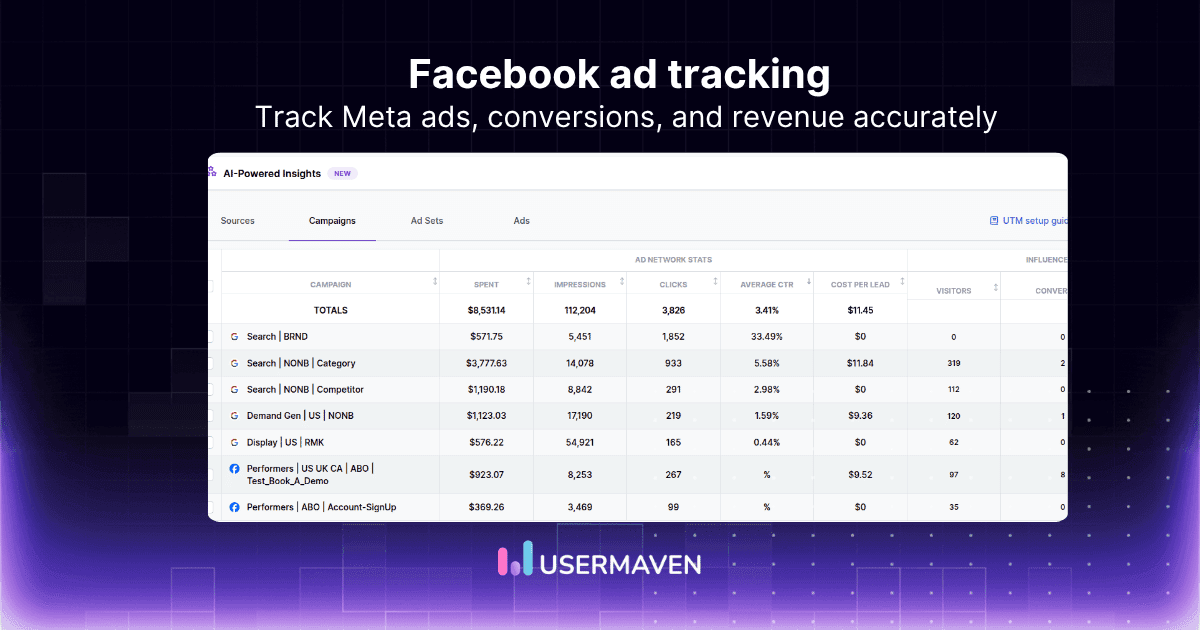
Facebook ad tracking: How to track Meta ads & conversions
Meta can tell you which ad got the click. The harder question is whether that click became a qualified lead, customer, or revenue. Facebook ad tracking connects that paid interaction with what happens next, from landing-page behavior and signups to purchases and upgrades. This guide focuses on measuring your own Facebook and Instagram campaigns as […]
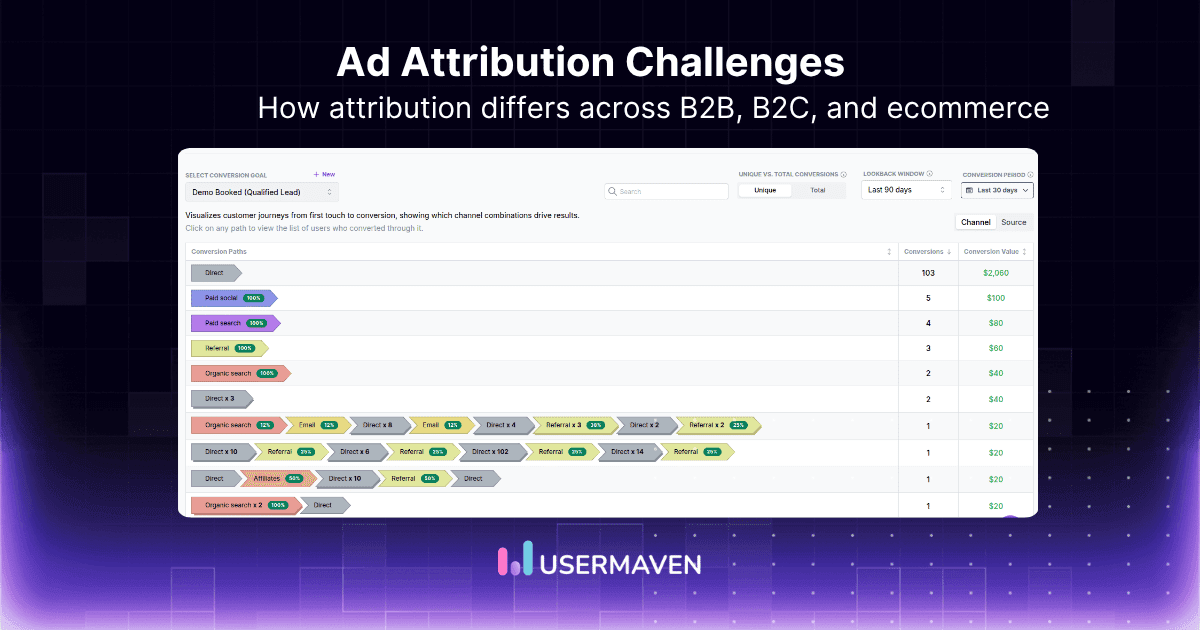
Ad attribution challenges: B2B vs. B2C vs. ecommerce
Ad attribution does not become difficult in the same way for every business. A B2B company connecting LinkedIn ads to closed revenue faces a different problem from a consumer brand reconciling Meta, Google, and repeat purchases. Privacy restrictions, fragmented identity, conflicting platform claims, long customer journeys, and model limitations create pressure across almost every attribution […]
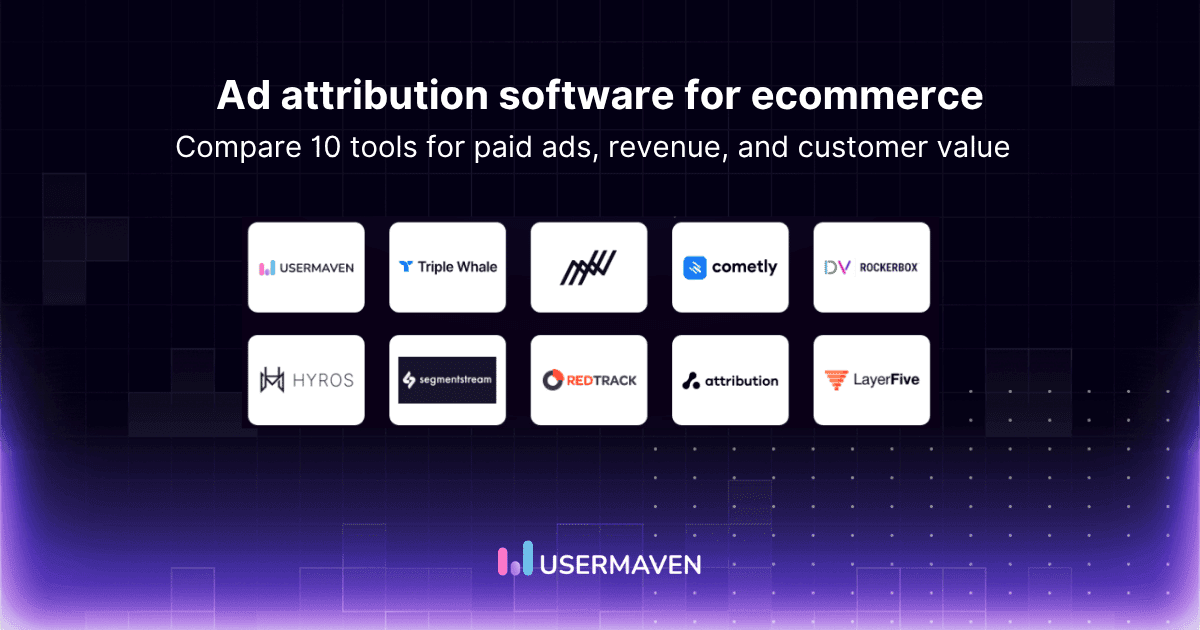
Best ad attribution software for ecommerce in 2026
Google, Meta, TikTok, and other ad platforms can all claim credit for the same ecommerce order, even though the store records only one actual purchase. That is why ecommerce teams need an independent ecommerce attribution layer that connects paid media with customer journeys, orders, revenue, and customer value. This guide compares ten ad attribution software […]
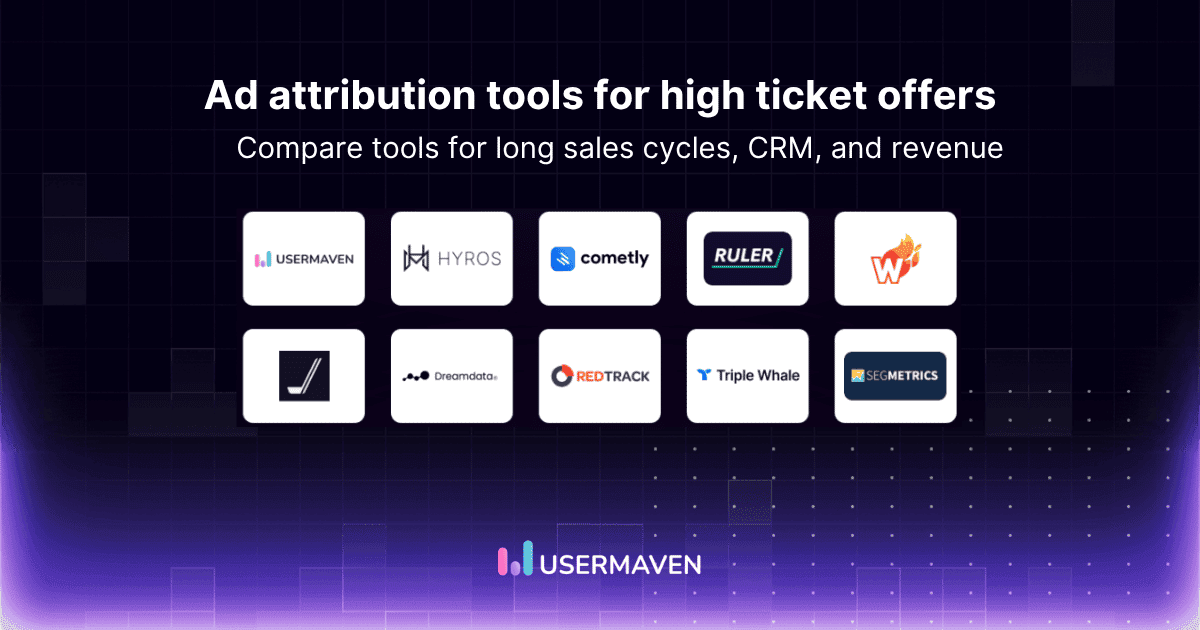
10 best ad attribution tools for high-ticket offers
A high-ticket sale rarely follows a simple ad-to-purchase path. A buyer may click an ad, return through search, attend a webinar, book a call, enter the CRM, and close weeks or months later. That makes attribution in advertising harder than counting form fills. The measurement system has to preserve the journey long enough to connect […]
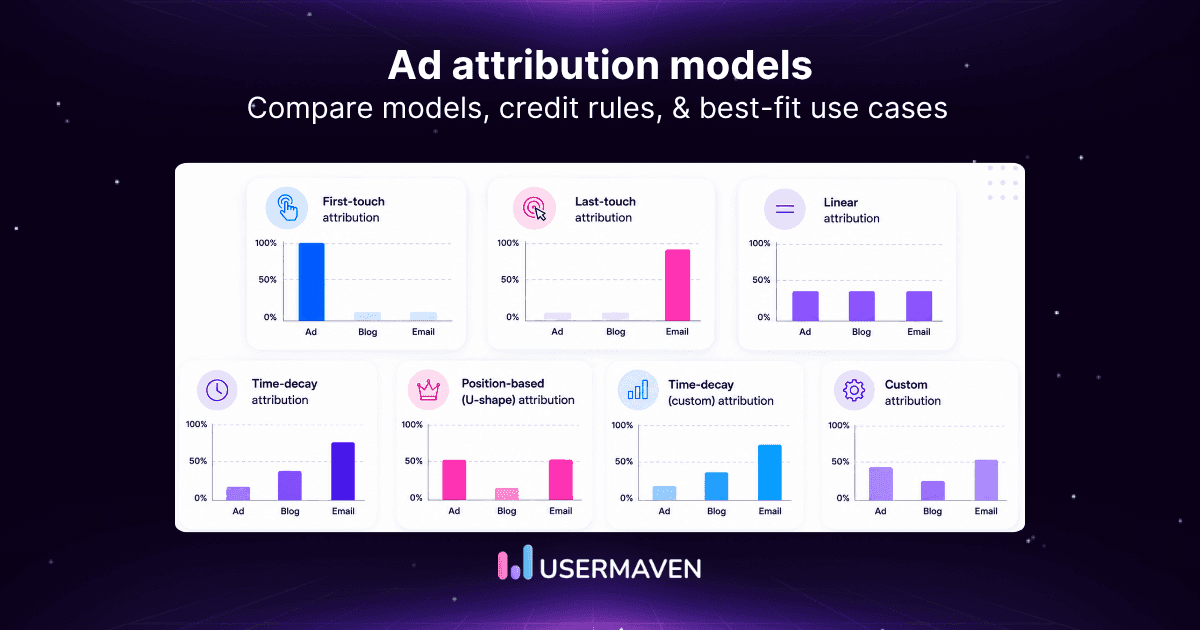
Ad attribution models: Types, examples & how to choose
Two advertising platforms can observe the same customer journey and report different results. The difference often comes from the attribution model, eligibility window, identity signals, and conversion definition used by each system. An ad attribution model determines how conversion credit is distributed across eligible interactions. Reliable marketing attribution software must also show which channels were […]
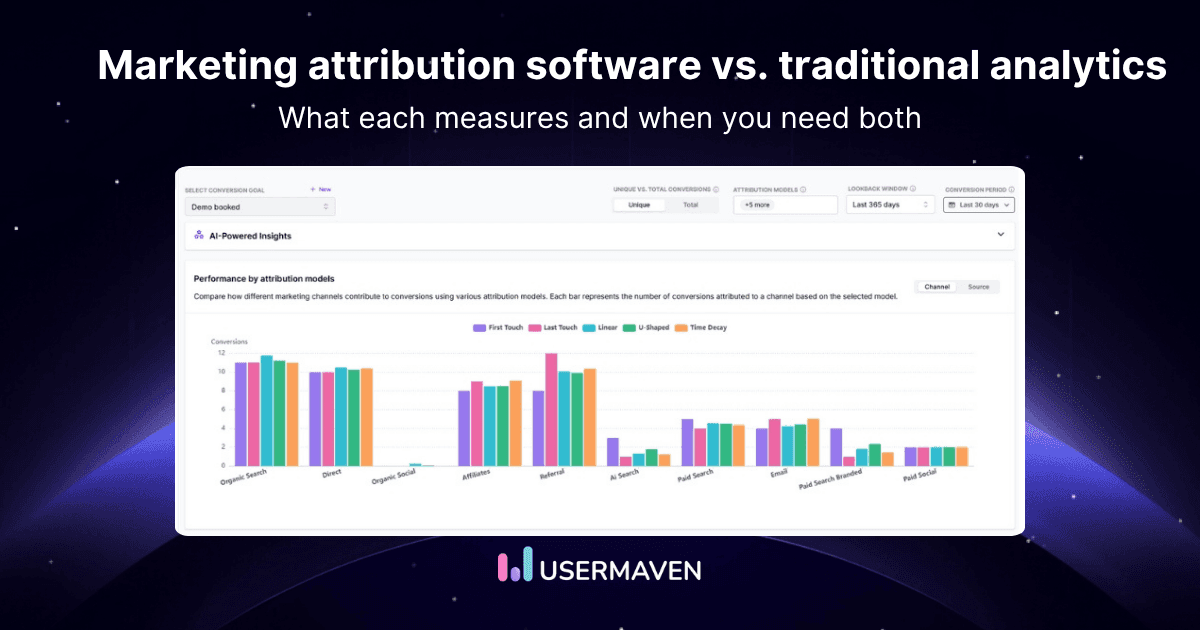
Marketing attribution software vs. traditional analytics
Traditional analytics can show which pages visitors viewed, where sessions came from, and where users dropped from a funnel. Marketing attribution software connects those interactions with acquisition sources, campaigns, customer journeys, CRM opportunities, and revenue. The categories overlap. A website analytics platform may include source reporting, conversion paths, and attribution models, while a dedicated attribution […]
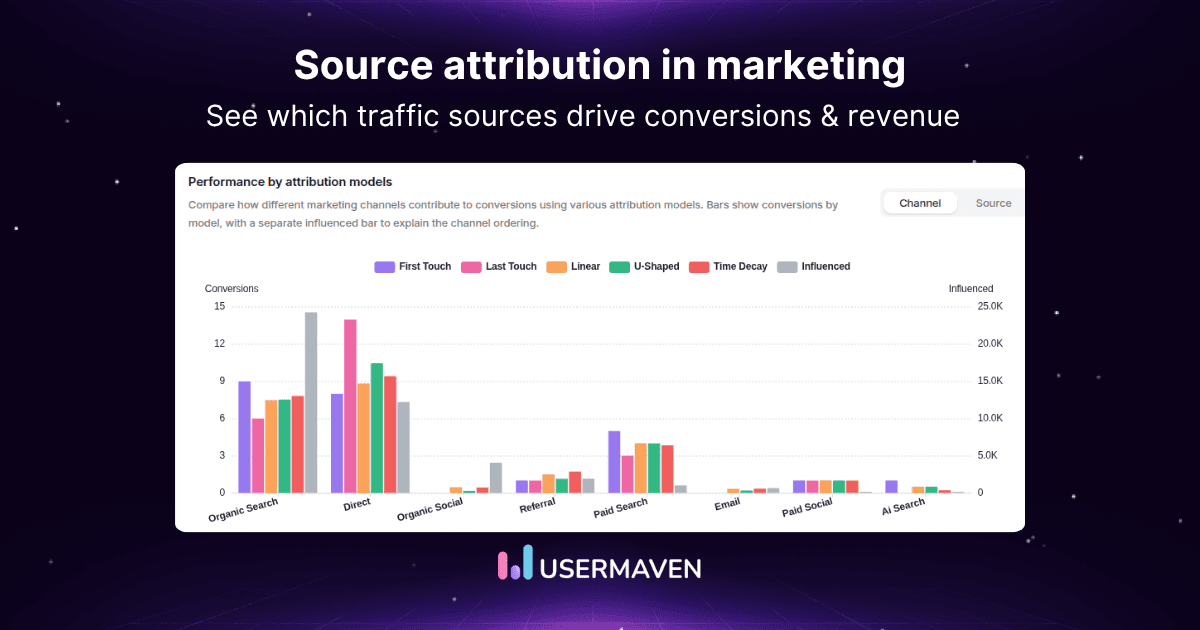
Source attribution in marketing: How it works
A customer may discover a business through Google, return from LinkedIn, click an email, and finally convert during a direct visit. Source attribution determines which of those specific origins receives credit for the outcome. The source is the identifiable origin of a visit, such as Google, LinkedIn, a newsletter, a partner website, or direct traffic. […]