Ever launched a website and waited nervously to see if anyone would visit?
It’s an exciting feeling!
But where exactly are those people coming from?
Understanding your traffic sources is like cracking a code, revealing valuable insights into what resonates with your audience.
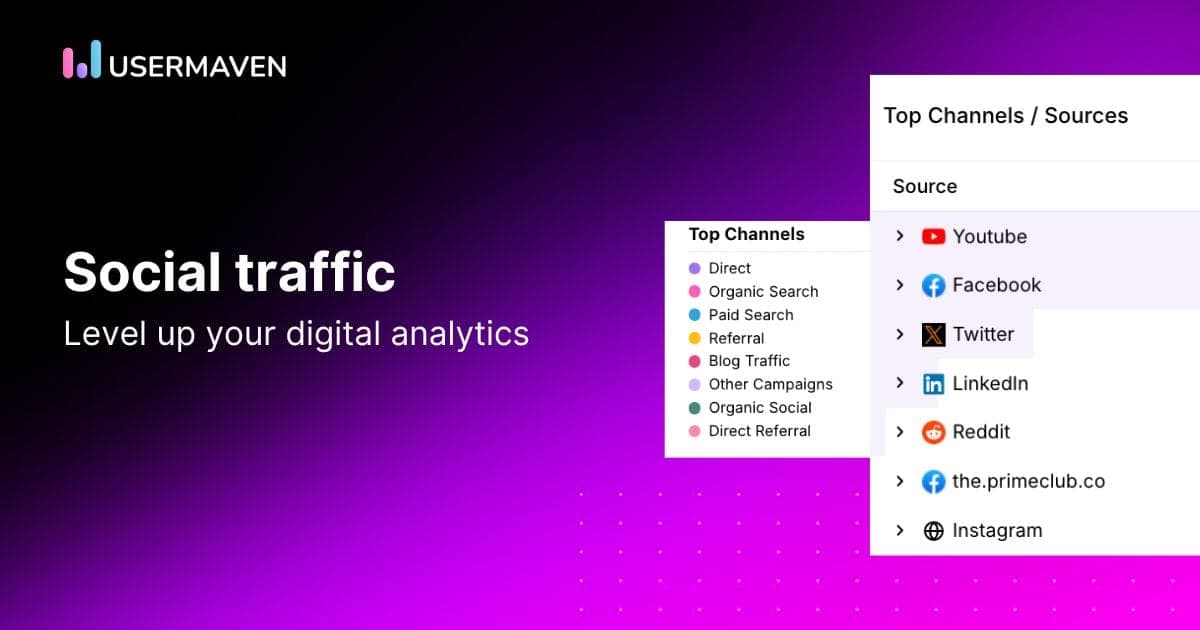
This blog post will guide you into social traffic in digital analytics. We’ll explain social traffic, why it is so important, and how you can use web analytics tools to track and analyze it.
What is social traffic?
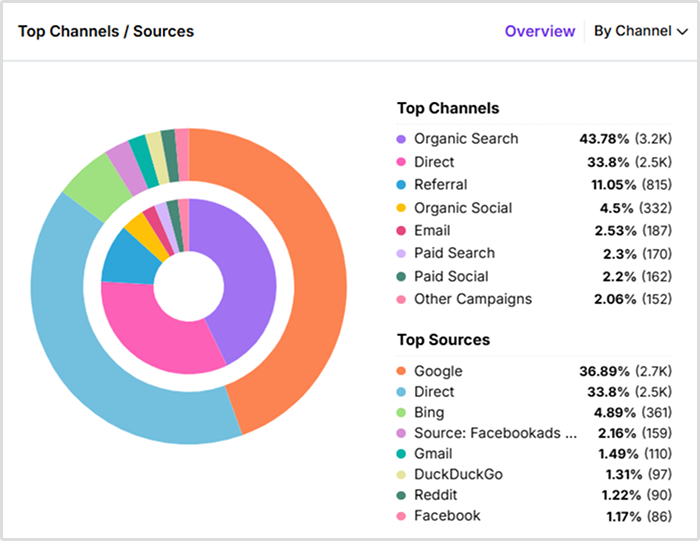
Social traffic refers to visitors who arrive at your website from social media platforms. Here’s how it works:
- Someone clicks a link you shared on your social media page (like Facebook, Twitter, or Instagram).
- Someone finds your content through a social media search and clicks on your site.
- Someone sees a friend or influencer share your content and click through.
So, any time someone clicks from a social media platform and lands on your website, that’s considered social traffic. For businesses operating in competitive markets like Los Angeles, partnering with experienced social media agencies in Los Angeles can significantly improve the quality and volume of this social traffic, as these agencies understand local market dynamics, trending hashtags, and the specific social media behaviors of West Coast audiences.
Importance of social traffic in digital analytics
Social traffic refers to the visitors who land on a website through social media platforms such as Facebook, Twitter, Instagram, LinkedIn, and Pinterest. Analyzing social traffic data is essential for several reasons:
- Audience insights: Social traffic data provides valuable information about the demographics, interests, and behaviors of visitors coming from social media platforms. This insight helps businesses tailor their content and marketing strategies to better resonate with their target audience.
- Engagement metrics: By tracking social traffic, businesses can measure engagement metrics such as likes, shares, comments, and click-through rates, which help teams evaluate how well their social media marketing campaigns are actually performing. These insights make marketing analytics more actionable by connecting social engagement to traffic quality and conversion outcomes. Understanding how users interact with social content can help optimize campaigns for higher engagement and conversions. Top industries are effectively utilizing social media for content repurposing. Just like they would download Facebook posts or export tweets of competitors as a creative way to get more audience.
- Because this data lives on the platforms themselves, most teams pull it from a dedicated social media analytics platform and read it alongside their website traffic data.
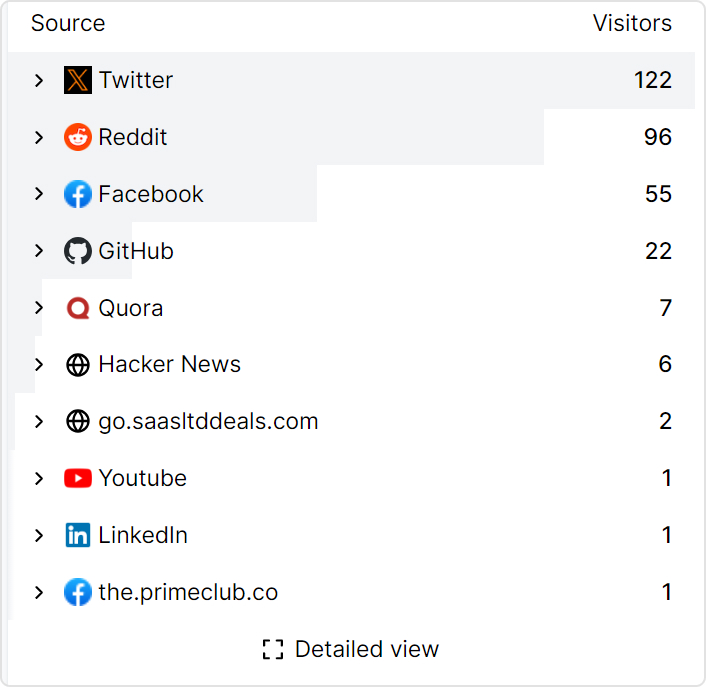
- Conversion tracking: Social traffic data allows businesses to track conversions from social media channels. By analyzing conversion paths and attributing conversions to specific social campaigns, businesses can optimize their marketing efforts for better ROI.
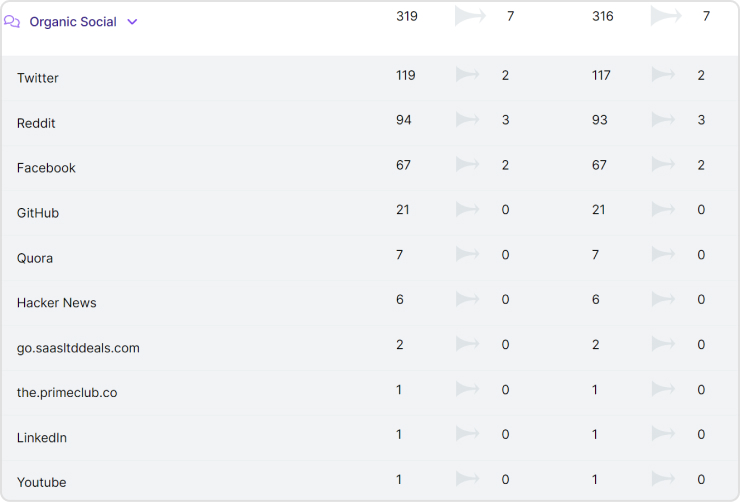
- Campaign performance: Monitoring social traffic helps businesses evaluate the performance of their social media campaigns. Businesses can refine their strategies to drive more traffic and conversions by identifying top-performing content, channels, and campaigns.
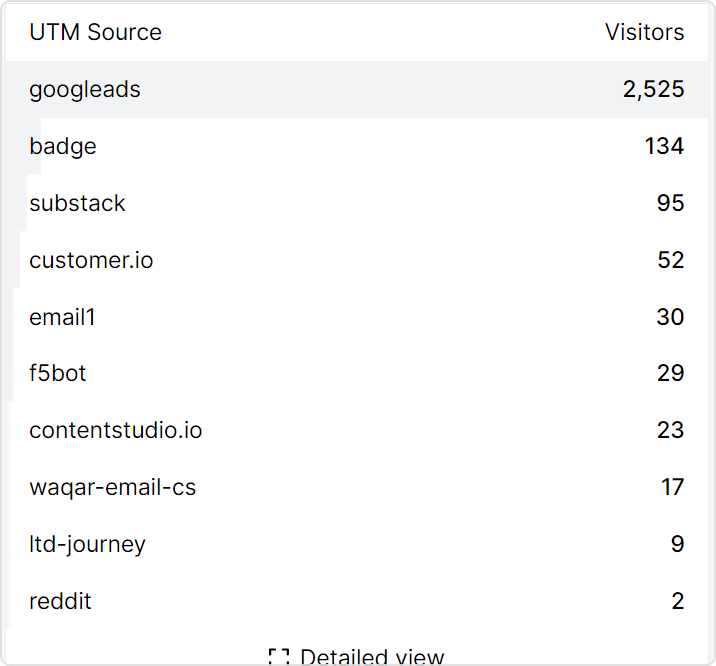
How Usermaven helps in optimizing social traffic for conversions?
Usermaven is a powerful analytics platform that offers advanced tools and insights to help businesses optimize their social traffic for conversions. Here’s how Usermaven can assist:
- Advanced analytics: Usermaven provides in-depth analytics on social traffic, including user behavior, engagement metrics, and conversion tracking. Businesses can gain valuable insights to refine their social media strategies for better results.
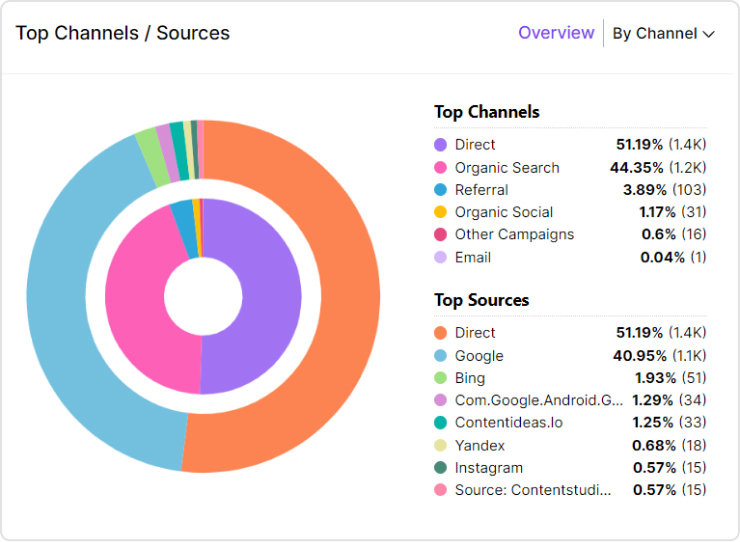
- Audience segmentation: Usermaven allows businesses to segment their social traffic based on various criteria, such as demographics, interests, and behaviors. This segmentation enables targeted messaging and personalized campaigns to drive higher conversions.
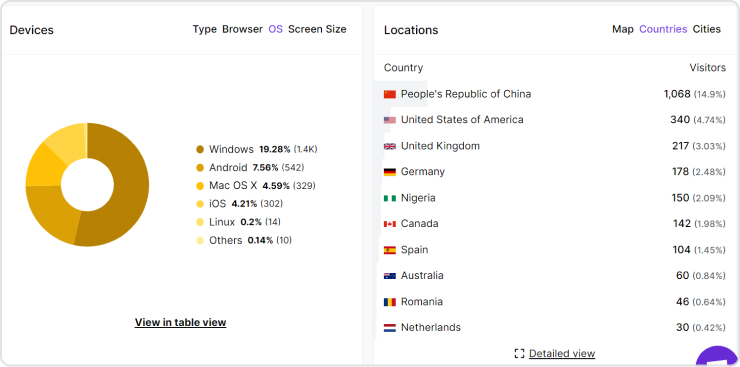
Device and location data in Usermaven
- Campaign attribution: Usermaven offers robust campaign attribution features that help businesses track the effectiveness of their social media campaigns in driving conversions. By accurately attributing conversions to specific social channels and campaigns, businesses can optimize their marketing spend for maximum ROI.
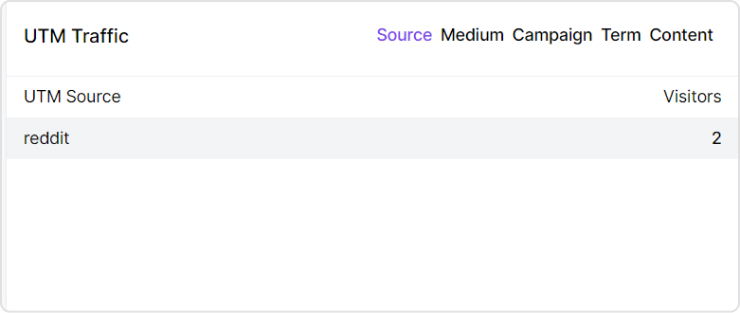
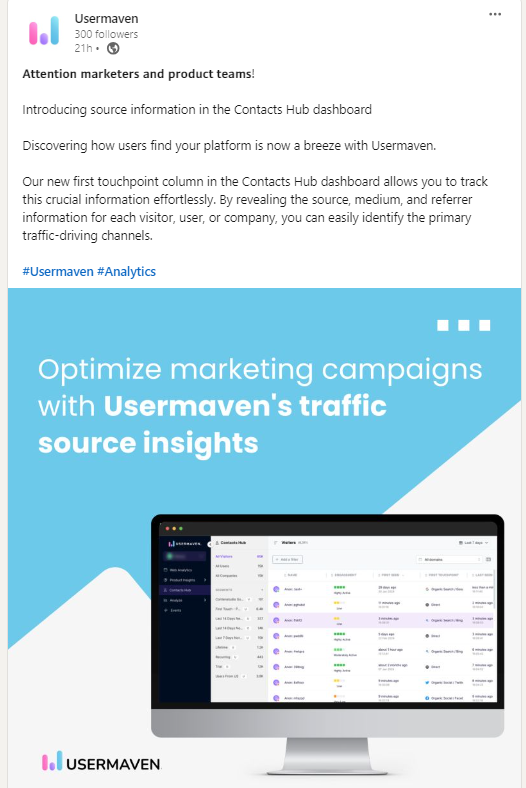
- Identify top-performing social media channels: See which social media platforms are driving the most traffic and conversions to your website. This will help you focus your efforts on the channels that are most effective for your business.
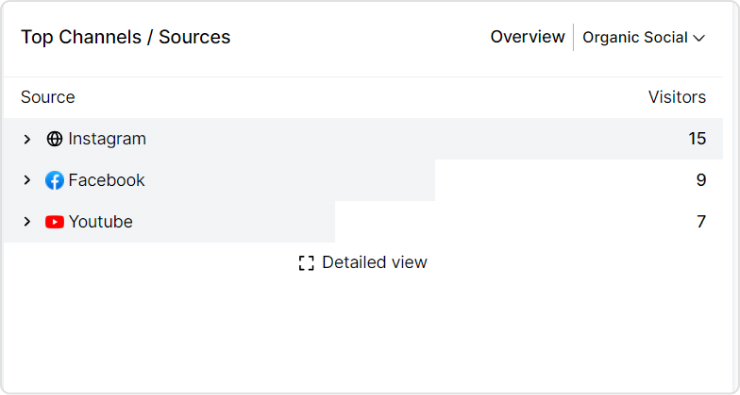
Pro tips for increased social media traffic
Here are some tips for optimizing your social media strategy to drive more traffic to your website:
- High-quality content: Share high-quality content that is relevant to your target audience. This could include infographics, videos, or even just interesting quotes. For video content, leverage live cloud transcoding to optimize playback quality and compatibility, ensuring your audience stays engaged no matter what device they use.
- Visuals: People are more likely to stop and engage with content that includes visuals. Use high-quality images and videos in your social media posts.
- Post regularly: The more you post, the more likely people are to see your content. However, quality is more important than quantity. It’s better to share a few high-quality posts per week than to spam your followers with low-quality content.
- Track and analyze: Use your website analytics to track your social media traffic and see what’s working and what’s not. This will help you refine your strategy over time.
- Call-to-action (CTA): Include clear and compelling CTAs in your social posts to encourage users to take the desired action, whether it’s visiting your website, signing up for a newsletter, or making a purchase.
Pro tip: For customized CTA options, try Replug
Power up your SaaS
with perfect product analytics
End-note
Social traffic is super important in digital analytics. To succeed in business, you’ve got to make sure your social media strategies are spot on for getting people to buy stuff.
With tools like Usermaven and smart strategies, you can use social traffic to boost conversions and reach your marketing goals.
FAQs
1. What is social traffic?
Social traffic refers to visitors who arrive at your website from social media platforms like Facebook, Twitter, or Instagram. This happens when someone clicks on a link shared in a social media post and lands on your site.
Why is social traffic important?
Social traffic is valuable because it can be a targeted audience. People who follow your social media pages are already somewhat interested in your brand or industry. This makes them more likely to engage with your website content, such as reading your blog posts or making a purchase.
How can I track social traffic?
Most website analytics tools, like Usermaven, can track social traffic. These tools will show you how many visitors came from each social media platform, which pages they viewed, and how long they stayed on your site. This information can help you understand which social media channels are most effective for driving traffic to your website.
Updated

Written by
Adeel Khan
Growth Marketing Expert
Adeel Khan is a full-stack SaaS marketer with 10+ years of experience in content marketing, paid advertising, analytics, and conversion rate optimization. He shares practical insights and strategies drawn from hands-on experience, helping B2B SaaS marketers improve performance and make better marketing decisions.
All articles by Adeel →