Your website gets 100,000 visitors a month, but only 1% make a purchase. Why?
Traditional marketing guesswork won’t answer this. However, web analytics will show you exactly where these 99,000 potential customers drop off – and, more importantly, how to convert them.
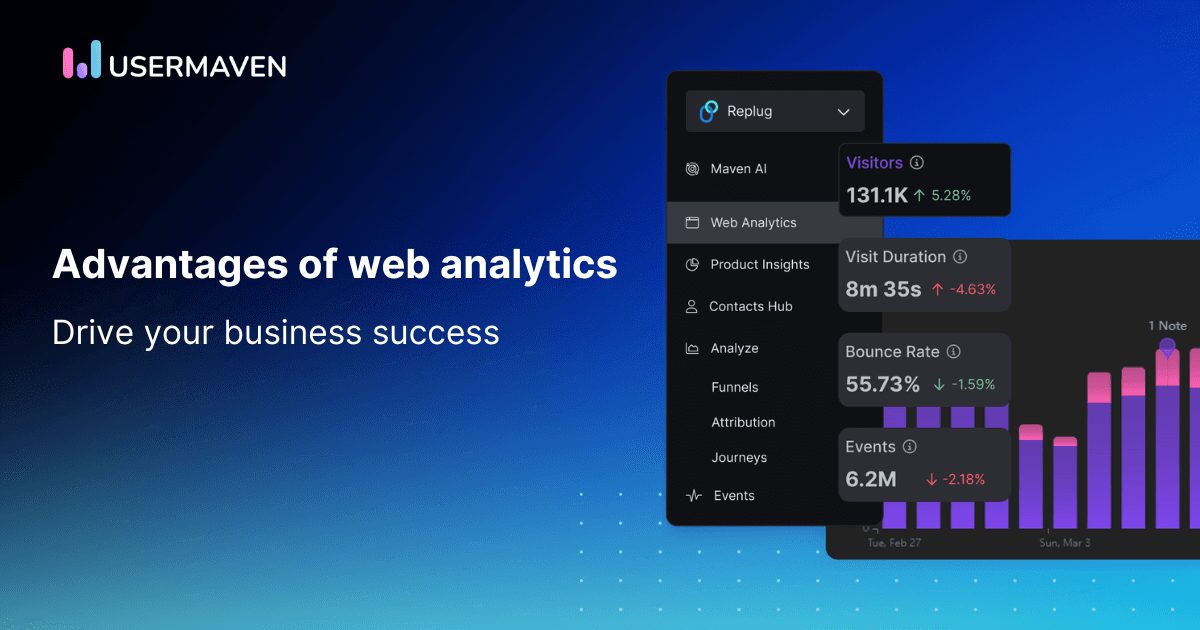
The advantages of using web analytics extend far beyond basic metrics.
In 2026, web analytics in digital marketing isn’t just about counting page views. It’s understanding customer behavior, spotting hidden opportunities, and making data-backed decisions that drive real results.
Major brands have cracked the code: Netflix uses analytics to keep viewers streaming for hours, Amazon predicts what you’ll buy next, and Spotify knows your music taste better than you do.
What is web analytics delivering for these giants? Double-digit growth in customer retention, 40% higher conversion rates, and marketing campaigns that hit the mark every time.
The best part? These same web analytics marketing tools are available to businesses of every size.
This guide breaks down the 10 most powerful advantages of using web analytics for your business growth. These are just practical insights that turn your website data into business success.
1. Smart business decisions
Gone are the days when business decisions were made purely on intuition. Modern web analytics provides a comprehensive framework that transforms raw data into actionable intelligence.
Consider an e-commerce store that noticed a significant drop in sales during what should have been their peak season. Through web analytics, they discovered that their mobile checkout process was causing frustration among users, with a 67% abandonment rate. This insight led to a mobile-optimized checkout redesign, resulting in a 40% increase in mobile conversions.
Key capabilities include:
- Real-time behavioral tracking
- Trend analysis and pattern recognition
- Multi-dimensional performance reporting
- Predictive modeling
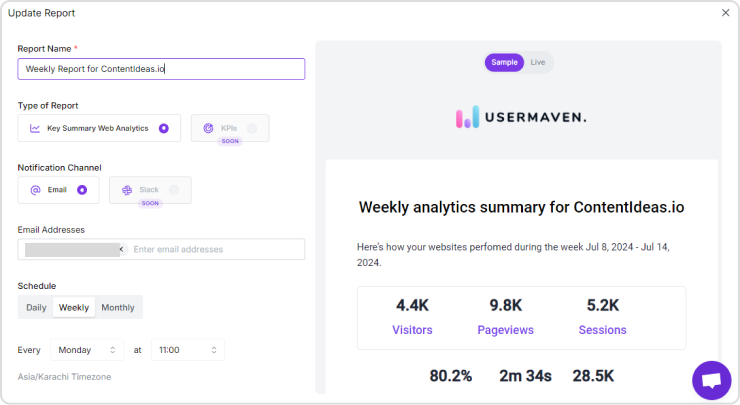
You can use these insights in more than just marketing or product changes. For instance, if your data shows that users spend more time on pages with clean and interactive designs, it could be a sign to create blog on Framer. Framer is a platform that helps you build visually appealing, responsive content that adapts to user behavior.
2. Enhanced customer experience
One of the key advantage of using web analytics is understanding user behavior. Web analytics gives insights into how users interact with your website or app, showing areas where they face challenges or abandon the site. By addressing these pain points, businesses can streamline the user journey, making it easier for customers to engage, complete transactions, or find the information they need.
Key aspects:
- Tracks user behavior to understand pain points
- Identifies areas of friction, like slow load times or confusing navigation
- Enhances website flow to improve customer satisfaction
- Helps businesses deliver more personalized and engaging experiences
3. Conversion optimization strategies
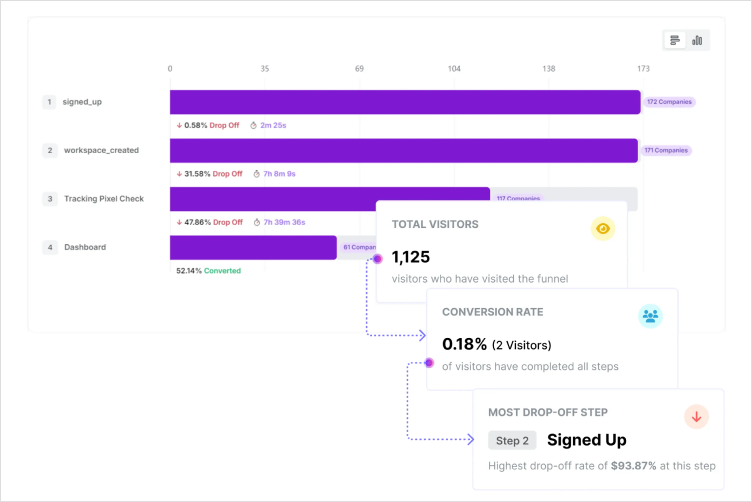
Conversion optimization is about turning more website visitors into paying customers. Web analytics allows businesses to pinpoint exactly where visitors drop off in the conversion process. Whether it’s a complicated checkout process or unclear calls to action, this insight enables businesses to make data-backed changes that remove barriers and increase conversions.
Key aspects:
- Tracks user flow through conversion funnels
- Identifies obstacles in the conversion path
- Supports A/B testing for improving landing pages and CTAs
- Helps refine website elements to drive higher conversions
4. Advanced marketing analytics
Marketing optimization stands out among the powerful advantages of using web analytics for your business growth. Web analytics helps businesses measure the performance of marketing campaigns across different channels. By understanding which channels bring the most engaged traffic, businesses can shift their marketing budget to the highest-performing strategies, improving ROI and accelerating growth.
Key aspects:
- Measures the performance of email, social, PPC, and SEO campaigns
- Identifies the most effective channels for your audience
- Allocates marketing budgets to high-converting channels
- Continuously optimizes marketing strategies based on performance data
5. Advertising performance optimization
Advertising can be costly, and businesses want to ensure that every dollar spent is driving results. Web analytics gives you the power to analyze the performance of each ad campaign. By understanding which ads are most effective in attracting clicks, conversions, and engagement, businesses can optimize targeting, ad creatives, and budget allocation for maximum return.
Key aspects:
- Monitors real-time ad performance metrics (CTR, CPC, CPA)
- Analyzes which audience segments respond best to ads
- Optimizes ad creatives and placement based on data
- Ensures more efficient ad spend, leading to higher ROI
6. Customer segmentation and personalization
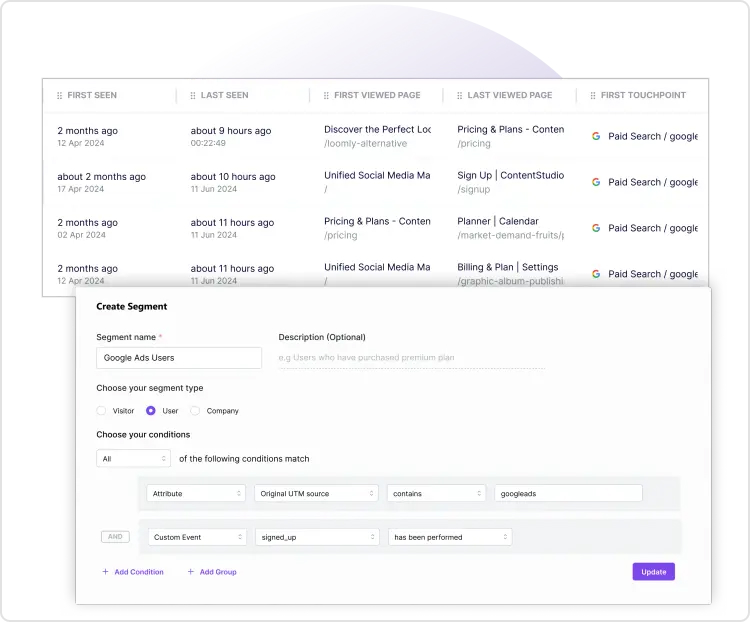
Understanding your audience’s behavior and preferences is key to delivering value and driving growth. Web analytics allows businesses to track key demographic and behavioral data, such as location, device usage, and time spent on the site. These insights help businesses create tailored marketing strategies, improve user experience, and build stronger customer relationships.
Key aspects:
- Tracks user demographics, behavior, and preferences
- Segments users to provide targeted experiences
- Personalizes marketing efforts to match customer interests
- Enhances product offerings based on user needs and trends
7. Content strategy enhancement
Content is a powerful driver of traffic and engagement, but it needs to be the right content. Web analytics shows which types of content (blog posts, videos, tutorials, etc.) resonate with users and drive conversions. By focusing on what works and producing more of that content, businesses can attract more visitors, increase engagement, and improve SEO.
Key aspects:
- Measures the performance of content (engagement, shares, conversions)
- Helps identify content types that attract and retain visitors
- Supports content optimization for better search engine rankings
- Enables data-backed content strategy and planning
Related: Web analytics strategy
8. Growth opportunity identification
Web analytics is a powerful tool for discovering untapped markets and growth opportunities. By tracking emerging trends and customer behaviors, businesses can identify new product opportunities, market segments, or geographic areas to target. This proactive approach helps businesses stay ahead of competitors by capitalizing on growth areas before they become widely recognized.
Key aspects:
- Tracks market and user behavior trends
- Identifies emerging opportunities in customer preferences or industries
- Helps businesses innovate by spotting gaps in the market
- Provides early insights into areas of potential growth
9. Customer retention optimization
Customer retention is often more cost-effective than customer acquisition. Web analytics helps businesses understand when and why customers are at risk of leaving. By identifying warning signs (e.g., decreased engagement or reduced spending), businesses can take proactive steps to improve customer loyalty, such as targeted offers or personalized communications.
Key aspects:
- Tracks customer behavior to identify churn signals
- Provides insights into customer lifetime value (CLV)
- Implements retention strategies based on customer behavior patterns
- Improves long-term customer relationships through targeted actions
10. Privacy-first analytics
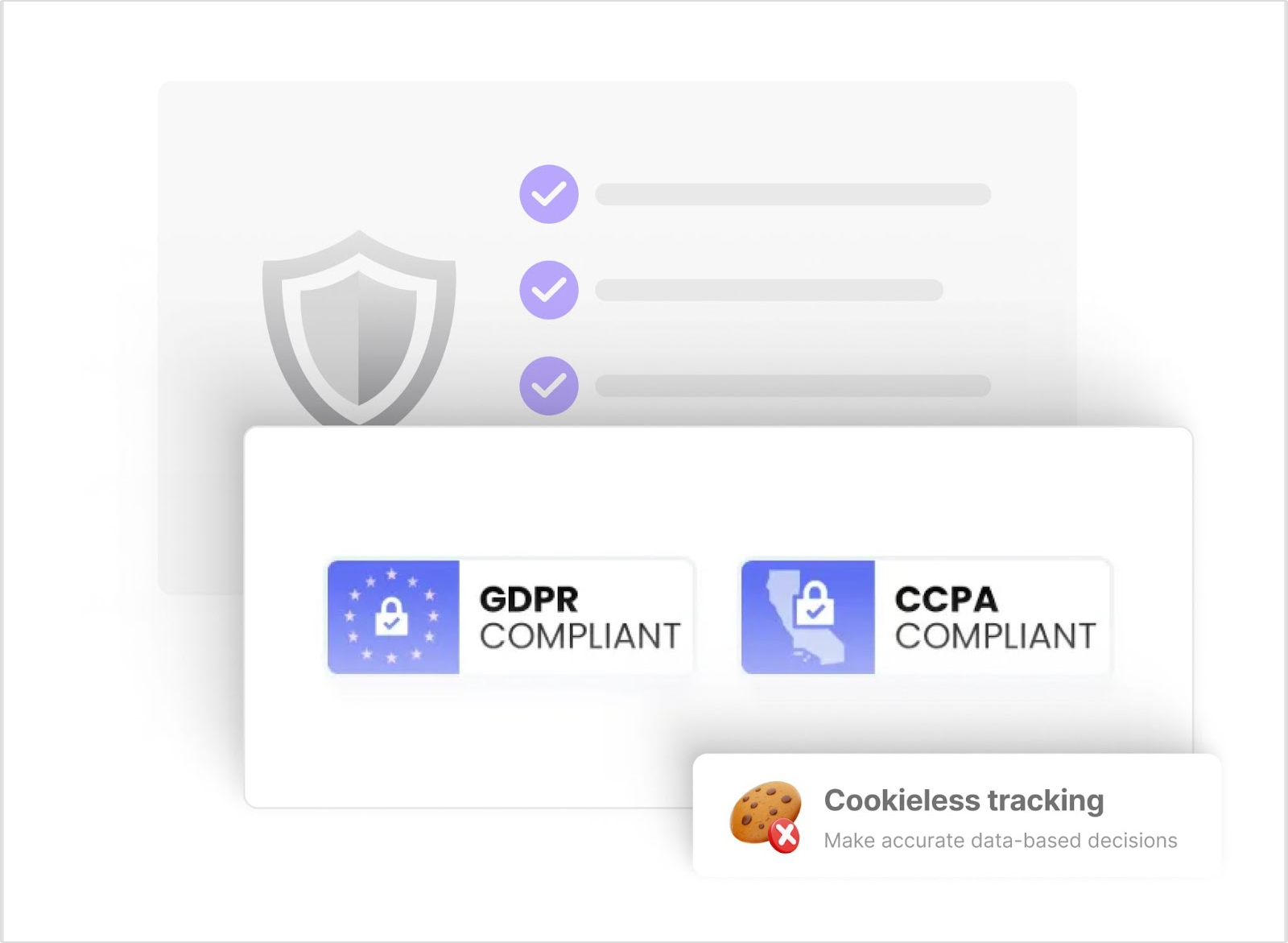
With data privacy regulations becoming more stringent, it’s crucial for businesses to ensure their analytics practices comply with laws like GDPR and CCPA. Web analytics tools that prioritize privacy help businesses collect insights without compromising customer trust. Features like cookie-free tracking, consent management, and data anonymization allow businesses to remain compliant while still leveraging valuable analytics.
Key aspects:
- Offers cookie-free tracking and consent management
- Ensures GDPR, CCPA, and other data privacy compliance
- Provides privacy-first analytics that builds customer trust
- Helps businesses avoid legal penalties while gathering actionable data
Conclusion
Now that you are clear on the advantages of using web analytics.
Would you like to dig deeper into analytics without getting stuck with confusing code?
Consider starting your efforts with a platform like Usermaven.
It offers automatic event tracking, real-time stats, and an intuitive interface.
Anyone seeking a simpler way to study user behavior can benefit from its privacy-friendly features and AI-powered insights.
Website analytics tool for modern marketers & agencies
Frequently asked questions
What is web analytics, and why is it important?
Web analytics is a method for gathering and interpreting data on website traffic, user patterns, and performance. It is important because it provides accurate numbers on how visitors engage with your pages. This leads to better decisions on content, marketing initiatives, and product offerings.
Which web analytics tools should I use for my business?
Many choose Google Analytics, but Usermaven is a good starting point for those who want fewer technical hurdles. It collects essential metrics automatically and updates results in real-time.
How can web analytics improve my marketing ROI?
Analytics allows you to track campaign success across channels and measure how site interactions lead to revenue. This helps you stop wasting funds on channels with weak results and focus on the spots that consistently drive conversions.
What are the key metrics I should track in web analytics?
Useful metrics include bounce rate, average session duration, pages per session, and conversion rate. You can also track metrics that align with specific goals, such as downloads, video views, or clicks on certain links.
How often should I review my web analytics data?
Many experts recommend weekly or monthly reviews. During major campaigns or site changes, it helps to check real-time data more often so you can adjust your approach on the fly.
Updated

Written by
Adeel Khan
Growth Marketing Expert
Adeel Khan is a full-stack SaaS marketer with 10+ years of experience in content marketing, paid advertising, analytics, and conversion rate optimization. He shares practical insights and strategies drawn from hands-on experience, helping B2B SaaS marketers improve performance and make better marketing decisions.
All articles by Adeel →