Market segmentation divides a wide audience into smaller groups that share similar needs or interests. This strategy has roots in the mid-1900s, when businesses noticed that a single message didn’t reach everyone. Today, companies use market segmentation to understand their behavioral segmentation better and craft messages that connect with each group in a more personal way.
Why stick to one message when you can speak directly to different customer groups?
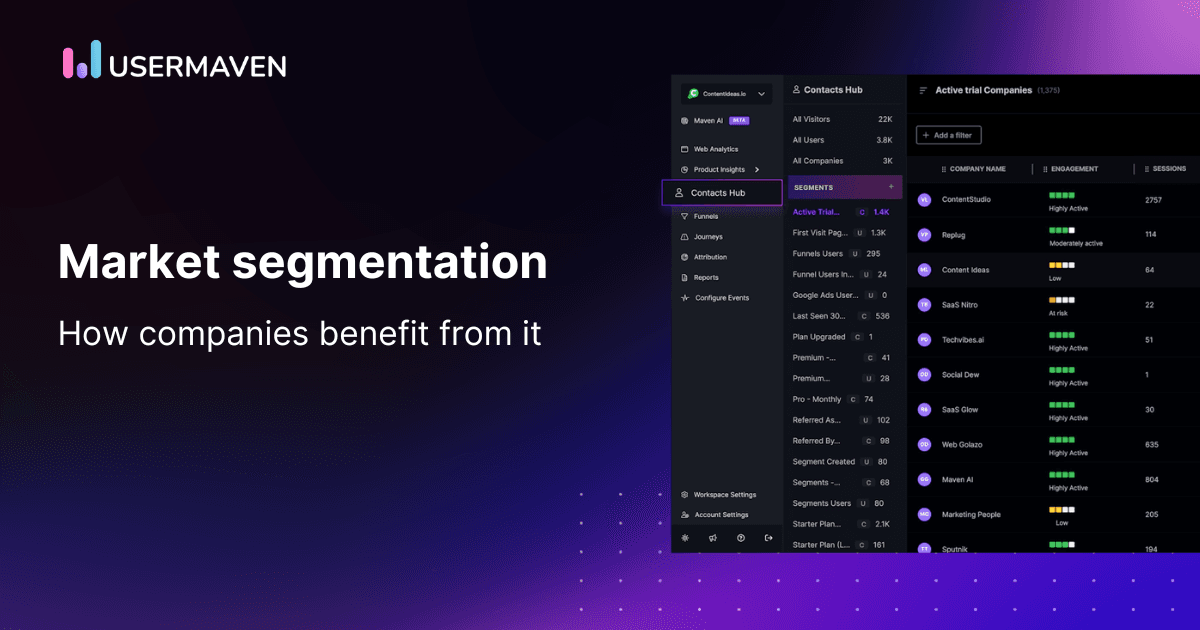
Companies rely on market segmentation to assign their resources wisely. They can pinpoint which groups are most likely to engage with their offers and plan their budgets accordingly. By doing so, firms can improve their marketing returns while saving on unnecessary efforts.
In this article, we explore the reasons behind the popularity of market segmentation and how it can drive improved results for businesses of all sizes.
What makes market segmentation essential in business today?
Customer behavior has changed, and markets now include many smaller groups with specific needs. This pattern means that serving everyone with the same approach is no longer practical.
Companies can now access a lot of data about customer behavior analysis and what customers like. This information helps them craft messages that speak directly to each group. Think of it like having a conversation where you understand every listener’s interests.
Competition is stronger than ever, and businesses need to stand out. Market segmentation highlights groups that might have been overlooked. This way, firms can focus on areas with the most promising results.
As customer expectations move toward more personal attention, market segmentation shows its value. Businesses that use segmentation can create offers and messages that truly hit home.
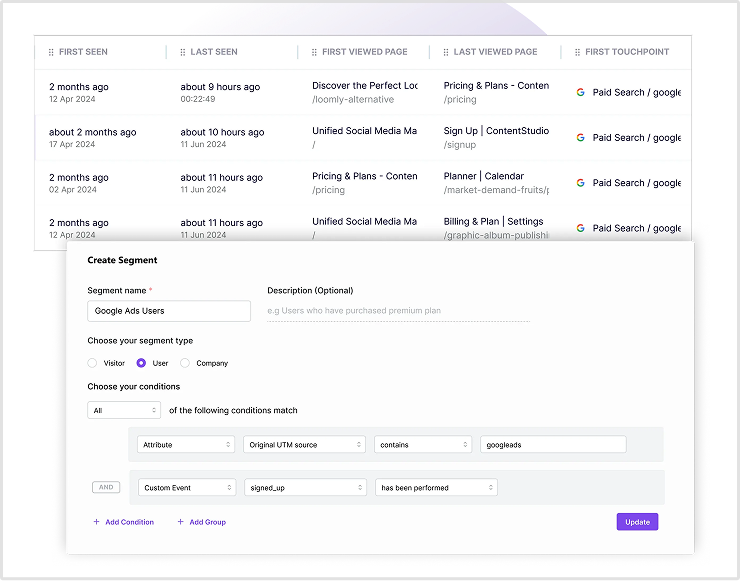
Market segmentation has evolved from a useful strategy to an absolute necessity. Here’s why:
Customer diversity has intensified
The modern marketplace has fragmented into numerous micro-segments, each with distinct preferences, needs, and behaviors. This fundamental shift makes the one-size-fits-all approach increasingly ineffective and potentially damaging to business growth. Companies that continue using broad approaches risk appearing irrelevant to increasingly sophisticated consumers.
Personalization is now possible
Businesses today have unprecedented access to customer behavior analytics and preference data. This wealth of information enables companies to craft highly targeted messaging that resonates with specific audience segments. Rather than broadcasting generic messages, businesses can now engage in what feels like personalized conversations with each customer group, acknowledging their unique interests and pain points.
Competitive differentiation is critical
In today’s hypercompetitive marketplace, standing out is more challenging – and more necessary – than ever. Effective market segmentation uncovers underserved niches and overlooked opportunities. By identifying these segments, companies can focus their resources where they’ll generate the strongest competitive advantage and highest return on investment.
Personalization has become the standard
Customer expectations have fundamentally shifted toward personalized experiences across all touchpoints. Market segmentation provides the foundation for delivering this personalization at scale. Businesses that effectively implement segmentation strategies can develop tailored offerings and communications that deeply resonate with their target audiences, fostering stronger connections and brand loyalty.
Ultimately, market segmentation isn’t just about dividing your audience – it’s about understanding your customers at a deeper level and aligning your entire business strategy to meet their specific needs in ways your competitors cannot.
Core benefits of market segmentation strategy
Market segmentation isn’t just a theoretical concept – it delivers concrete, measurable advantages that directly impact business performance. When companies divide their broad target market into defined segments, they unlock powerful benefits that transform how they connect with customers and compete in the marketplace.
Improved resource allocation and ROI
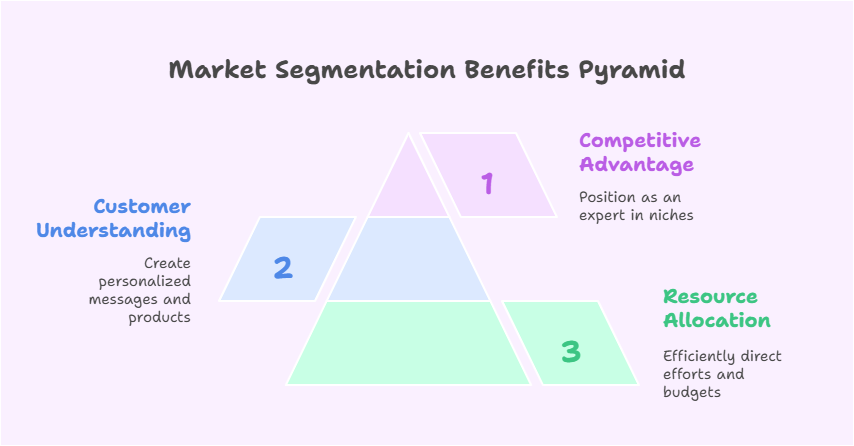
Market segmentation allows companies to direct their efforts efficiently.
- Companies can create campaigns for specific groups rather than trying to appeal to everyone with one message. This leads to clearer and more effective communication.
- Firms can set budgets wisely. Spending more where there is the most promise naturally helps boost the overall returns from their marketing efforts.
- When messages speak directly to a known group, customers are more likely to react in positive ways. This focus leads to higher conversion rate optimization and better overall returns.
Enhanced customer understanding and targeting
Knowing what drives customer decisions is key.
- Segmentation helps businesses create personalized messages that align with the particular interests and needs of each group.
- By recognizing the specific tastes of each segment, companies can design products that fit perfectly into the customers’ lives.
- When customers feel understood, they tend to be more satisfied with their purchases and increase customer engagement over time.
Competitive advantage through specialization
Focusing on specific groups can set a company apart from others.
- Companies can position themselves as experts in serving a particular group. This specialization makes them a go-to choice for that segment.
- Market segmentation uncovers areas that are not yet fully served by competitors. Exploring these niches allows companies to build a strong presence.
- Distinct brand messaging for each segment can help a company stand out, making it easier to be noticed in crowded markets.
How market segmentation drives business growth
Market segmentation isn’t merely a theoretical exercise – it’s a powerful engine that drives tangible business growth. By dividing the market into distinct groups with similar characteristics, businesses can unlock opportunities for innovation, efficiency, and deeper customer relationships that directly impact the bottom line.
Product development and innovation
- When a business knows exactly what a segment looks for, it can design products that fit those needs more accurately. This approach puts customers at the center of product design.
- Segmentation shows which features matter most to different groups. Using this insight, firms can decide which improvements are truly important.
- By examining the gaps in services, companies often get ideas for new products that address specific customer pain points.
Related: Product vs. market analysis
Marketing efficiency and cost optimization
- With clear segments, companies can launch targeted marketing campaigns that naturally invite higher product engagement.
- By focusing on groups most likely to respond, customer acquisition costs drop. Resources are used wisely, which can lead to a higher value from each customer.
- When customers receive messages crafted just for them, they are likely to improve customer retention, further boosting profitability.
Implementing effective market segmentation
The strategic value of market segmentation is clear, but execution determines whether a business will realize its full potential. Successful implementation requires careful planning, appropriate tools, and continuous refinement.
Key success factors
- Data comes first. Using reliable user behavior tracking tools to collect and understand customer actions is essential. For example, Usermaven can track events automatically without requiring any code. This tool is particularly useful for teams looking to understand their audience without adding extra work.
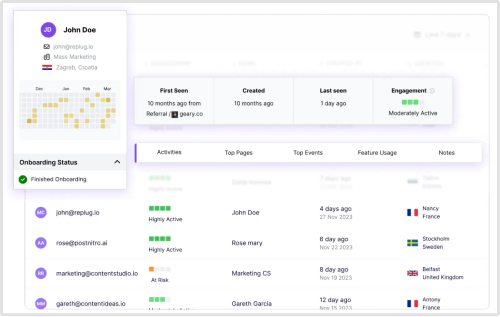
- Each segment should have clear and measurable definitions. This clarity helps businesses focus on real differences between groups.
- Customer preferences and market conditions change. Regular reviews ensure that the chosen segments remain the best representation of the market.
Common challenges and how to overcome them
- The process can be resource-heavy, especially for smaller teams. Starting small and gradually expanding the approach can ease this pressure.
- Protecting customer data is important. Using privacy-friendly tools like Usermaven helps companies stay mindful of data laws while still gathering the insights needed.
- Holding consistent campaigns across different channels can be a challenge. Businesses benefit from integrated platforms that help maintain a steady message everywhere a customer might encounter the brand.
Conclusion
Market segmentation allows companies to better understand their customers and serve them well. Companies that use this method can plan their spending wisely, create messages that speak clearly, and build products that truly fit customer needs.
The benefits of a clear segmentation strategy include improved resource allocation and ROI, better customer satisfaction, and lasting competitive advantages. Are you ready to adopt this approach and see real results?
Target the right audience
with Usermaven Segments
FAQs about market segmentation strategy
1. What are the main types of market segmentation?
The main types include grouping by age, location, lifestyle, and behavior.
2. How much does implementing a market segmentation strategy cost?
Costs vary. A simple approach might cost little, while a more detailed, data-driven approach can be more expensive.
3. How long does it take to see results from segmentation?
Some benefits are visible quickly, but a more complete picture typically takes several months.
4. Can small businesses benefit from market segmentation?
Yes, focusing on the most promising groups can greatly help small businesses make the best use of their limited resources.
5. How often should market segments be reviewed and updated?
Reviews should be done at least once a year to ensure they continue to match customer behaviors.
Updated

Written by
Adeel Khan
Growth Marketing Expert
Adeel Khan is a full-stack SaaS marketer with 10+ years of experience in content marketing, paid advertising, analytics, and conversion rate optimization. He shares practical insights and strategies drawn from hands-on experience, helping B2B SaaS marketers improve performance and make better marketing decisions.
All articles by Adeel →