Maven AI can analyze your data for you. Just ask.Try it now→
  • Core platformMulti-Touch AttributionSee which channels, campaigns, ads, content, and touchpoints drive conversions, pipeline, and revenue.Google AdBlogLinkedIn AdDemoRevenueCross-channelPaid adsConversion syncExplore multi-touch attribution

    Analytics & Journeys

    Understand user behavior

    Website AnalyticsTurn traffic into insight.Product AnalyticsUnderstand engagement and retention.FunnelsFind and fix conversion drop-offs.User JourneysUnderstand paths to purchase.TrendsSpot patterns and changes over time.DashboardsBring key metrics into one view.

    Data & Intelligence

    Ask, analyze, and act

    Maven AIAsk questions about your data.MCPNewConnect AI agents to your data.EventsNewCapture the actions that matter.SegmentsGroup users by behavior and attributes.Contact ProfilesUnify visitor, user, and account activity.Reports & AlertsNewStay updated on key metrics.
  • BY BUSINESS

    SaaS brandsConnect acquisition, activation, retention, and MRR.Ecommerce brandsSee what drives ROAS, revenue, & repeat sales.AgenciesProve marketing ROI with client-ready reporting.

    BY USE CASE

    Reduce CACCut wasted spend & acquire customers for less.Pipeline attributionKnow what marketing creates pipeline.Full-funnel revenue attributionConnect marketing touchpoints to revenue.Paid ads attributionKnow which ads actually drive revenue.Improve ROASPut budget behind campaigns with stronger returns.

    BY TEAM

    Marketing teamsConnect campaigns, pipeline, and revenue in one view.Product teamsTurn product usage into better decisions.Growth teamsFind conversion leaks and scale what works.Founders & CMOsGet marketing numbers you can confidently act on.
    See how Usermaven fits your needs.View all solutions
  • Integrations
  • LEARN

    BlogAttribution insights, analytics tips, & strategies.Analytics glossaryLearn analytics terms and concepts.Free toolsSimplify everyday marketing tasks.

    EXPLORE

    Case studiesReal stories from businesses using Usermaven.ReviewsHear directly from Usermaven customers.Product updatesNew features, improvements, & product updates.Affiliate programEarn 30% recurring commissions for referring customers.

    SUPPORT

    Help docsSetup instructions and step-by-step product guides.Guided setupGet expert help setting up Usermaven.System statusCheck Usermaven's current status.
    Get practical insights on attribution and analytics.Visit the blog
  • Pricing
Sign inBook a demo
Multi-Touch AttributionSee which channels, campaigns, ads, content, and touchpoints drive conversions, pipeline, and revenue.
Analytics & JourneysUnderstand user behaviorWebsite AnalyticsTurn traffic into insight.Product AnalyticsUnderstand engagement and retention.FunnelsFind and fix conversion drop-offs.User JourneysUnderstand paths to purchase.TrendsSpot patterns and changes over time.DashboardsBring key metrics into one view.
Data & IntelligenceAsk, analyze, and actMaven AIAsk questions about your data.MCPNewConnect AI agents to your data.EventsNewCapture the actions that matter.SegmentsGroup users by behavior and attributes.Contact ProfilesUnify visitor, user, and account activity.Reports & AlertsNewStay updated on key metrics.
BY BUSINESSSaaS brandsConnect acquisition, activation, retention, and MRR.Ecommerce brandsSee what drives ROAS, revenue, & repeat sales.AgenciesProve marketing ROI with client-ready reporting.
BY USE CASEReduce CACCut wasted spend & acquire customers for less.Pipeline attributionKnow what marketing creates pipeline.Full-funnel revenue attributionConnect marketing touchpoints to revenue.Paid ads attributionKnow which ads actually drive revenue.Improve ROASPut budget behind campaigns with stronger returns.
BY TEAMMarketing teamsConnect campaigns, pipeline, and revenue in one view.Product teamsTurn product usage into better decisions.Growth teamsFind conversion leaks and scale what works.Founders & CMOsGet marketing numbers you can confidently act on.
Integrations
LEARNBlogAttribution insights, analytics tips, & strategies.Analytics glossaryLearn analytics terms and concepts.Free toolsSimplify everyday marketing tasks.
EXPLORECase studiesReal stories from businesses using Usermaven.ReviewsHear directly from Usermaven customers.Product updatesNew features, improvements, & product updates.Affiliate programEarn 30% recurring commissions for referring customers.
SUPPORTHelp docsSetup instructions and step-by-step product guides.Guided setupGet expert help setting up Usermaven.System statusCheck Usermaven's current status.
Pricing
Sign inBook a demo
Blog›Website analytics

How to locate users based on device type in Usermaven

Adeel KhanGrowth Marketing ExpertFeb 20, 20242 min read
Back to blog

On this page

  1. User’s device type insights
  2. How do you locate users based on device type?
  3. Find user device type with Usermaven
  4. Step 1: Add the identify function
  5. Step 2: Access and analyze data
  6. Step 3: Access all details at Contacts Hub
  7. End-note
On this page7
  1. User’s device type insights
  2. How do you locate users based on device type?
  3. Find user device type with Usermaven
  4. Step 1: Add the identify function
  5. Step 2: Access and analyze data
  6. Step 3: Access all details at Contacts Hub
  7. End-note
Share
Usermaven

Marketing attribution tool that connects every dollar to revenue.

  • Rated 4.9 / 5 StarsCapterra
  • #1 Product of the Week in Marketing
  • #2 Product of the Day
Add Usermaven as a preferred source on Google
Features
  • Multi-Touch Attribution
  • Maven AI
  • Website Analytics
  • Product Analytics
  • Funnels
  • User Journeys
  • Contact Profiles
  • MCP
  • Events
  • Segments
  • Trends
  • Dashboards
Solutions
  • Agencies
  • SaaS brands
  • Ecommerce
  • Marketing teams
  • Product teams
  • Growth teams
  • Founders & CMOs
  • Reduce CAC
  • Paid ads attribution
  • Improve ROAS
  • Pipeline attribution
  • Full-funnel attribution
Compare
  • HockeyStack
  • Cometly
  • Dreamdata
  • Triple Whale
  • Hyros
  • Ruler Analytics
  • GA4
  • Mixpanel
  • Rockerbox
  • Northbeam
  • Fathom
  • PostHog
Resources
  • Blog
  • Analytics glossary
  • Case studies
  • Product updates
Support
  • Help docs
  • Guided setup
  • Usermaven status
  • Contact
Company
  • About us
  • Reviews
  • Affiliate program
  • Write for us
  • Brand assets

© 2026 Usermaven Inc. All rights reserved.

Privacy policyCookie policyTerms of serviceGDPRCCPALLMs.txt

Interested in knowing what devices your users favor?

Usermaven can help!
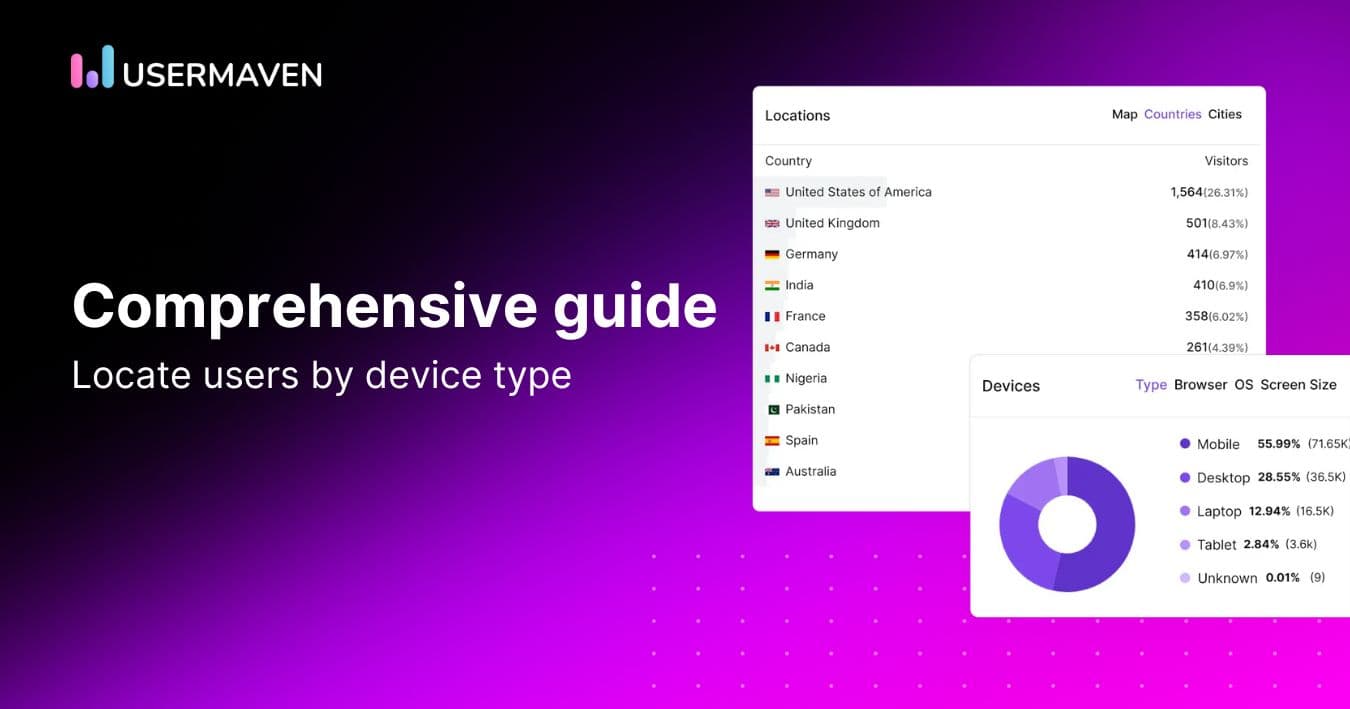
See which devices rule your user kingdom.

Mobile, desktop, tablet, oh my!

Are mobile users more likely to browse, while desktop users convert?

Get all the answers without breaking a sweat.

P.S. Keep pro learning mode on; this guide spills all the secrets about your user’s device type.

User’s device type insights

Start by understanding the device landscape. Usermaven provides a comprehensive overview of the devices your users employ – be it mobiles, desktops, or tablets.

This insight serves as the foundation for tailoring your platform to meet user expectations.

Usermaven doesn’t just stop at presenting device statistics; it dives deeper into user preferences.

Let’s see how;

How do you locate users based on device type?

Now, let’s get practical.

Usermaven offers a user-friendly interface to locate users based on their device types. Follow these simple steps:

a. Log in to your Usermaven account.

b. Navigate to the “User Devices” section.

c. Choose the specific device type you want to explore – mobile, desktop, or tablet.

d. Usermaven will present detailed analytics, showcasing user activities and preferences based on the selected device type.

Curious whether mobile users lean towards browsing while desktop users are more conversion-focused.

Usermaven has the answers.
Follow along;

Find user device type with Usermaven

Step 1: Add the identify function

The first step in harnessing the power of Usermaven to locate users by device type is to add the “identify function” to your tracking script. Here’s how:

  • Navigate to “Workspace Settings” in your Usermaven app.
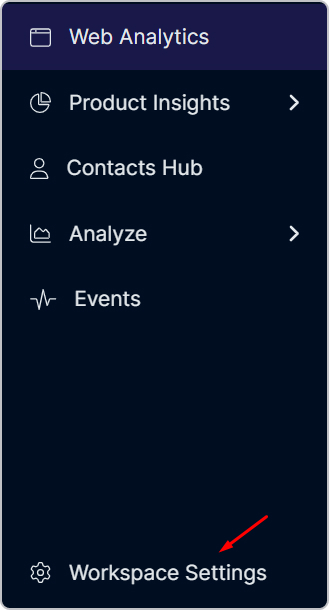
Workspace settings
  • Access the ‘Setup’ section and proceed to the second step.
  • Add the identify function below the original Usermaven tracking script.

Quick note: If you’re installing multiple scripts, make sure the identify function is placed correctly so Usermaven can track device data without conflicts.

Customize the identify function

Ensure that the “identify function” is tailored to your needs by including attributes like device type.

You can pass various attributes about the user, providing a holistic view of their interactions across sessions, devices, and browsers.
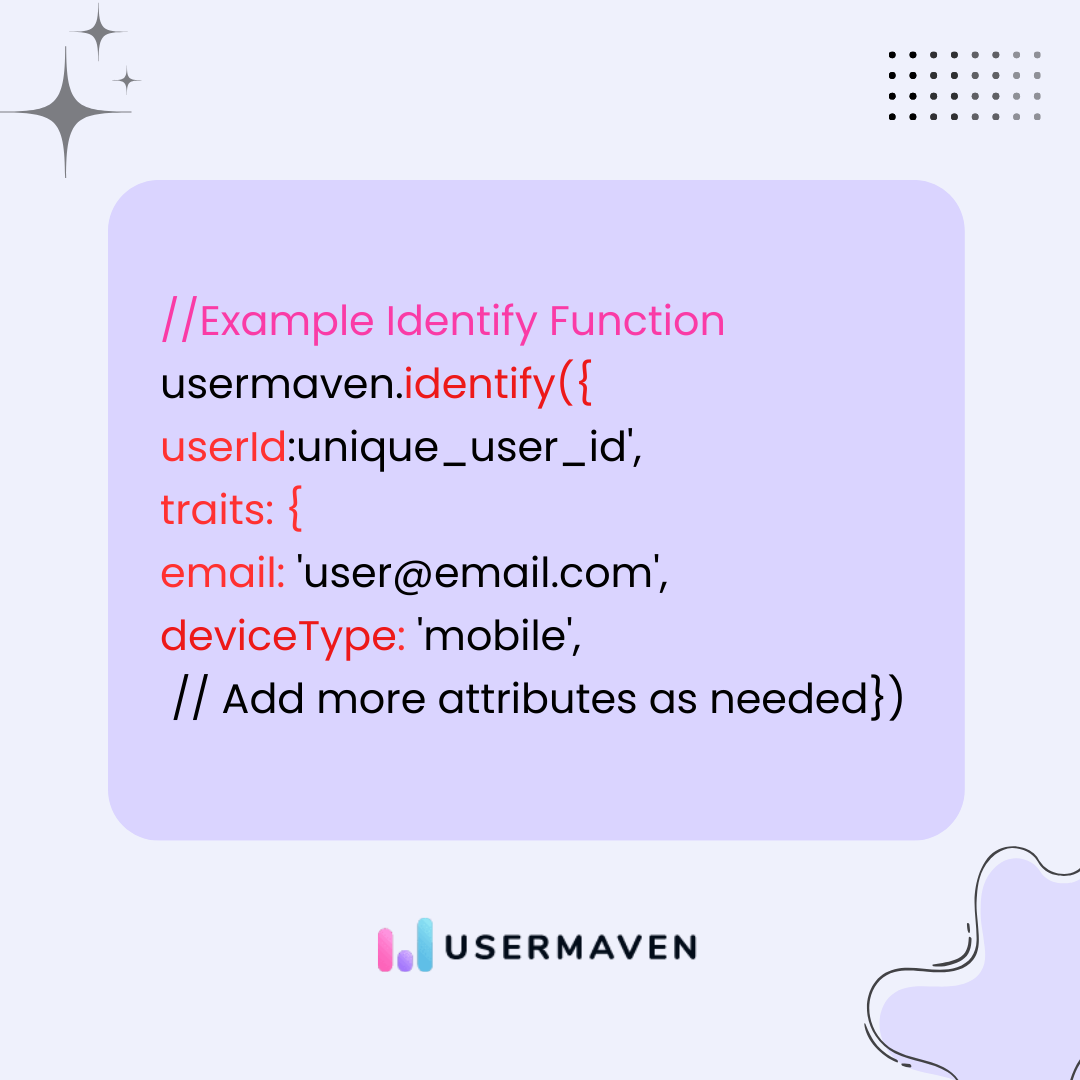
Usermaven's identify function

Reminder: Activate pro learning mode (in case you forgot)!

Step 2: Access and analyze data

Once the identify function is integrated, the next step is to access and analyze the data in Usermaven’s Contacts Hub. Here’s how you can make the most of this feature:

  • Navigate to the Contacts Hub section of Usermaven.
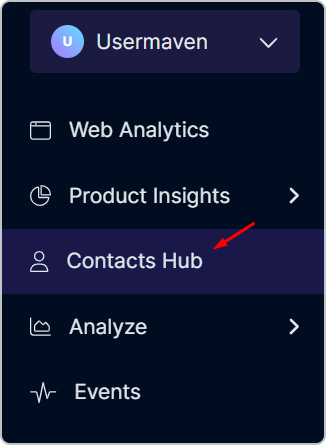
Contacts Hub
  • Explore three distinct dashboards: All Visitors, All Users, and All Companies.
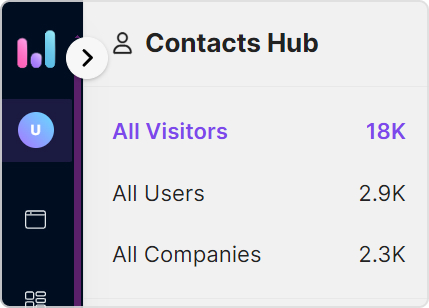
Contacts Hub

Each dashboard offers comprehensive insights into the individuals visiting your platform, their activities, and the devices they use.

Step 3: Access all details at Contacts Hub

The contact hub dashboard offers comprehensive insights into user activities on your platform, covering various aspects:

  • Device type: Indicates whether users are accessing your platform from MAC, Windows, or iOS devices.
  • Location: Sp
    ecifies the geographical location of users while accessing your platform.
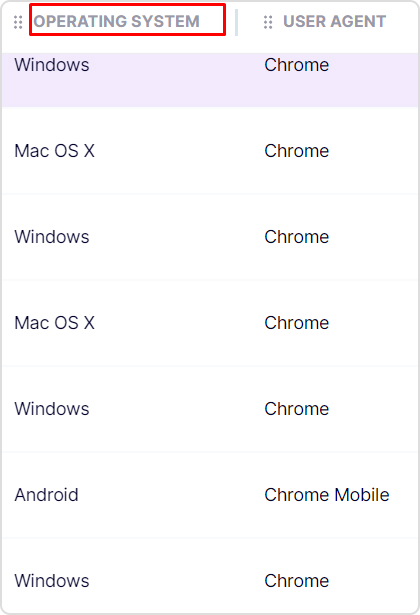
Operating systems

Additional user details

  • Engagement level: Categorized based on user activity in the last 30 days, ranging from at-risk to very high engagement.
  • First seen: Records the date of a user’s initial visit to your platform.
  • Last seen: Displays the most recent interaction with your platform.
  • First touch point: Identifies the source or channel through which users first discovered your platform. This also helps with marketing channel and source attribution by showing where users first came from.
  • First viewed page: Highlights the initial page a user accessed on your platform.
  • Last viewed page: Indicates the most recent page viewed by the user.
  • User-agent: Specifies the web browser used, such as Chrome, Microsoft Edge, or Safari.
  • Page views: Represents the total number of pages viewed by the user.

Related: Understanding Lead Attribution in Usermaven

End-note

By understanding your users’ device preferences through Usermaven, you can make informed decisions to optimize your platform and deliver an exceptional experience across all devices.

Remember, the key lies in using data ethically and responsibly, always prioritizing user privacy and respecting their choices.

Ready to see Usermaven in action? Explore the platform or book a demo for a closer look.

Find out more about:
  • Website analytics

Updated Sep 28, 2026

Written by

Adeel Khan

Growth Marketing Expert

Adeel Khan is a full-stack SaaS marketer with 10+ years of experience in content marketing, paid advertising, analytics, and conversion rate optimization. He shares practical insights and strategies drawn from hands-on experience, helping B2B SaaS marketers improve performance and make better marketing decisions.

All articles by Adeel →


Keep reading

You might be interested in

Website analytics

What is web analytics? How it works, metrics & tools

Your website gets traffic. But do you really know what visitors are doing once they arrive? Are they scrolling? Clicking? Dropping off halfway through checkout? That’s where web analytics comes in. Web analytics is the process of collecting, measuring, and analyzing website data to understand user behavior and improve performance. It helps you see what’s […]

Imrana EssaFeb 12, 2026
Website analytics

From bounce to brilliance: Enhancing average time on page

In the digital landscape, capturing and holding the attention of online audiences is the heartbeat of website success. But how can you measure this success? The answer lies in understanding key website metrics and using them to your advantage. One such metric is “average time on page,” an indicator of your website’s performance. This metric […]

Lauren BrooksSep 18, 2024
Website analytics

The value of scroll depth and how to track it

Most website visitors don’t read a page from top to bottom. They skim, pause, scroll, and leave often without clicking anything. What matters isn’t just who lands on your page, but how far they actually engage with it along their customer journey. This is where understanding the value of scroll depth becomes critical. Scroll depth […]

Imrana EssaJan 20, 2026