Your best customer and your worst churn risk look identical without the right data. Treating them the same way is costing you revenue.
Customer segmentation software changes that. Through audience segmentation, you can group customers by behavior, demographics, and engagement patterns so every interaction feels relevant and timely.
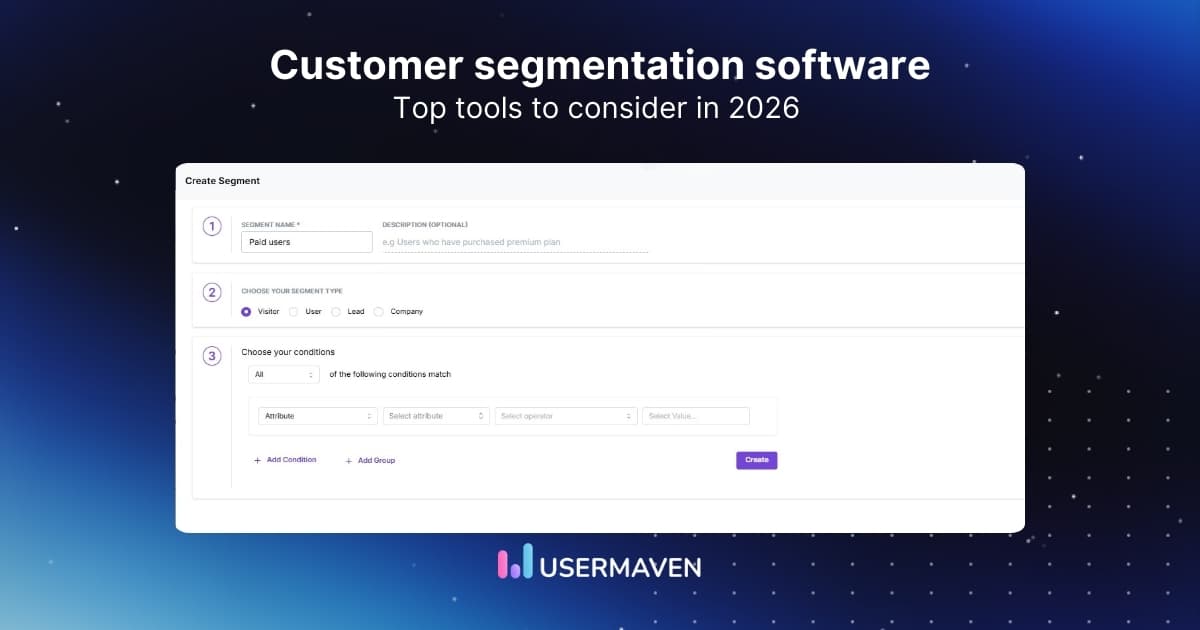
This guide is a practical walk‑through of customer segmentation tools that actually help you ship better campaigns, products, and experiences.
Top 23 customer segmentation software to consider
Now that you have a checklist, it is time to explore the tools available. The list below covers the top options for SaaS, ecommerce, and B2B teams.
Each tool is broken down by its key features and ideal uses to help you find the right fit.
1. Usermaven
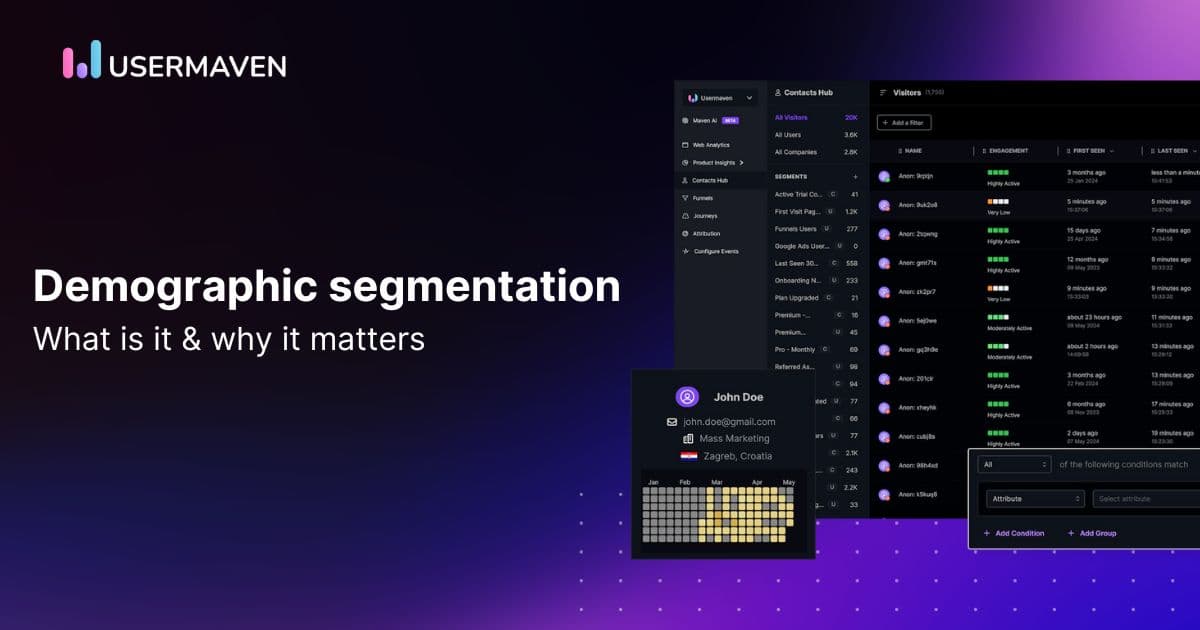
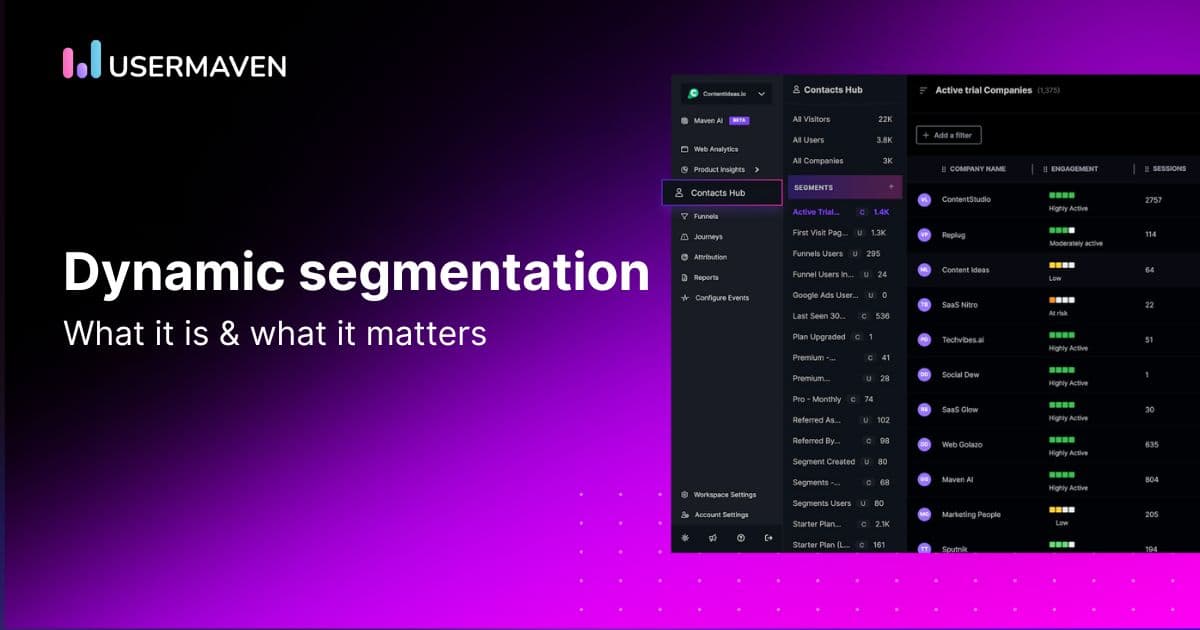
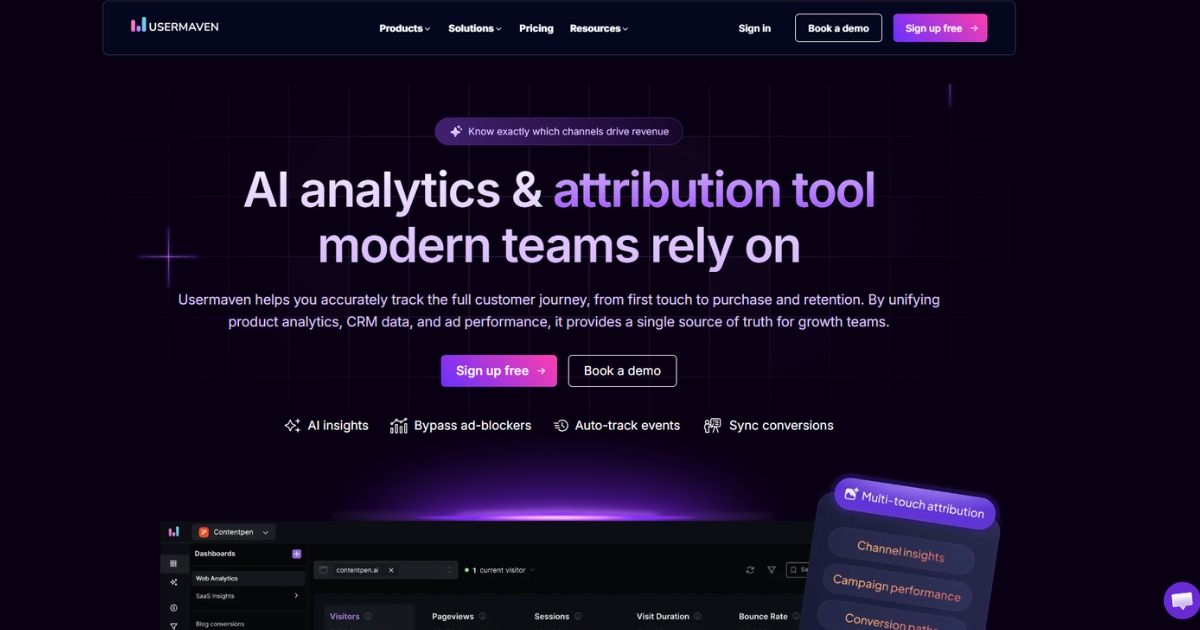
Usermaven unifies website and product data in one place, giving teams a complete picture of user behavior. Its Segments feature helps you cut through the noise, identify your most valuable customers, and focus your growth efforts on the right users rather than guessing who they are.
Key features:
- Dynamic segmentation updates your user cohorts in real time based on their latest actions
- Automatic event tracking captures every interaction from day one without requiring a single line of code
- Multi-touch attribution reveals which marketing channels bring in your highest-value segments
- Slipping-away detection identifies at-risk accounts before they have a chance to churn
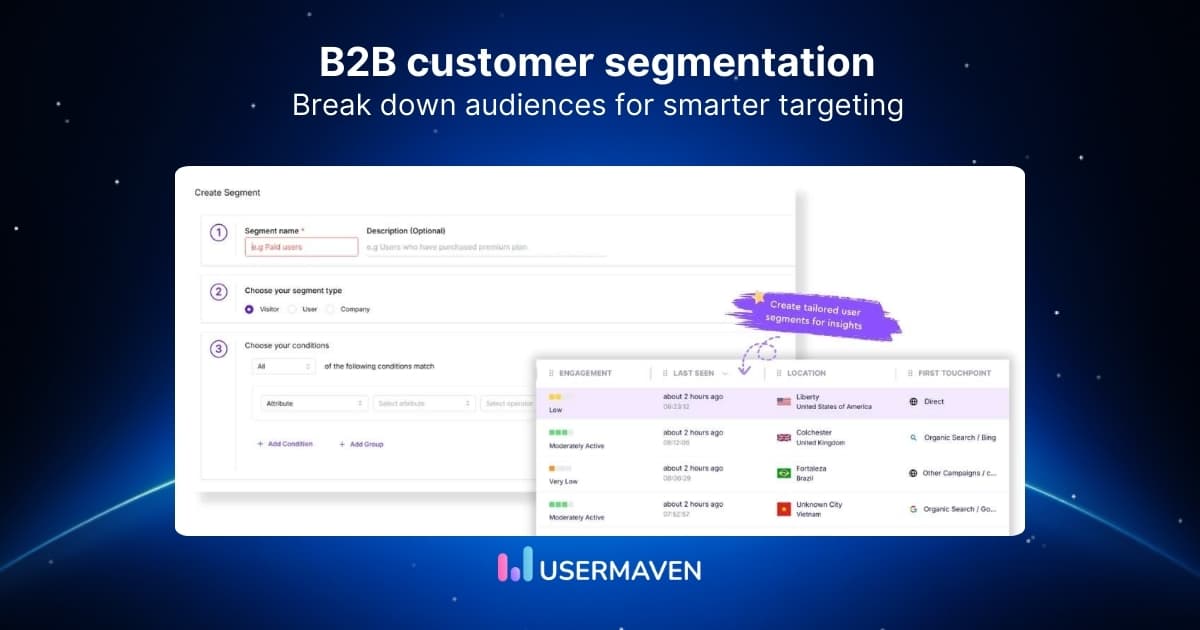
- Account-level analytics group individual users by segment into company-wide health scores for a clearer B2B customer segmentation overview
- Integrated funnels show you exactly where different segments are dropping off
- Privacy-first tracking bypasses ad-blockers to ensure your segment data is 100% accurate
Best for: SaaS and product‑led teams that want behavioral segmentation, attribution, and customer health in a single, no‑code platform.
Target the right audience
with Usermaven Segments
2. Twilio Segment
Segment (from Twilio) is a powerful data collection and routing platform that centralizes event data from your websites, apps, and back-end systems. It is best suited for engineering-led teams that need a robust data pipeline to feed their customer segmentation models.
Key features:
- Collects and routes events to CRMs, ad platforms, and analytics suites from a single hub
- Builds unified customer profiles and segments via Personas that sync across tools
- Requires engineering resources to instrument and maintain event tracking
- Non-technical users often require a separate product analytics tool.
Best for: Teams with a strong data engineering function that want a central event hub.
3. Userpilot
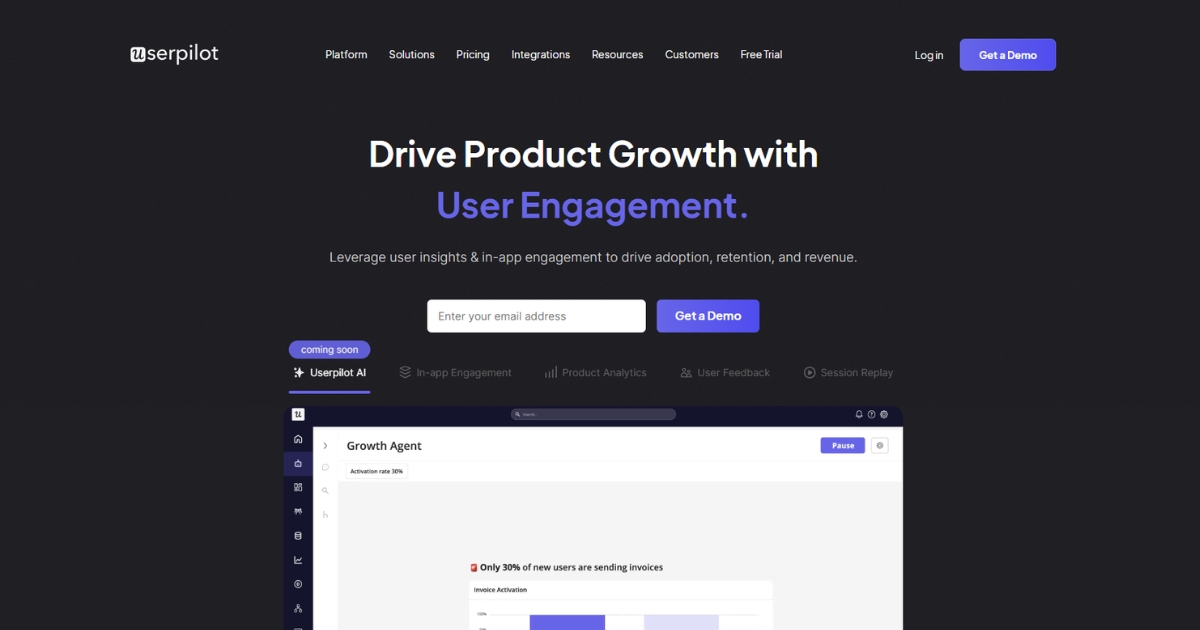
Userpilot drives product growth through targeted in‑app experiences, making it a strong fit for product‑led growth teams focused on user activation and adoption. It lets you personalize these experiences based on behavior, attributes, and lifecycle stage.
Key features:
- Tooltips, checklists, and announcements for specific user segments
- Targeting by behavior, attributes, and lifecycle stage
- Conditional logic to show elements only to relevant users
- Pairs well with analytics tools for deeper funnels, marketing attribution, and retention analysis
Best for: Product teams focused on onboarding and in‑app guidance.
4. Contentsquare
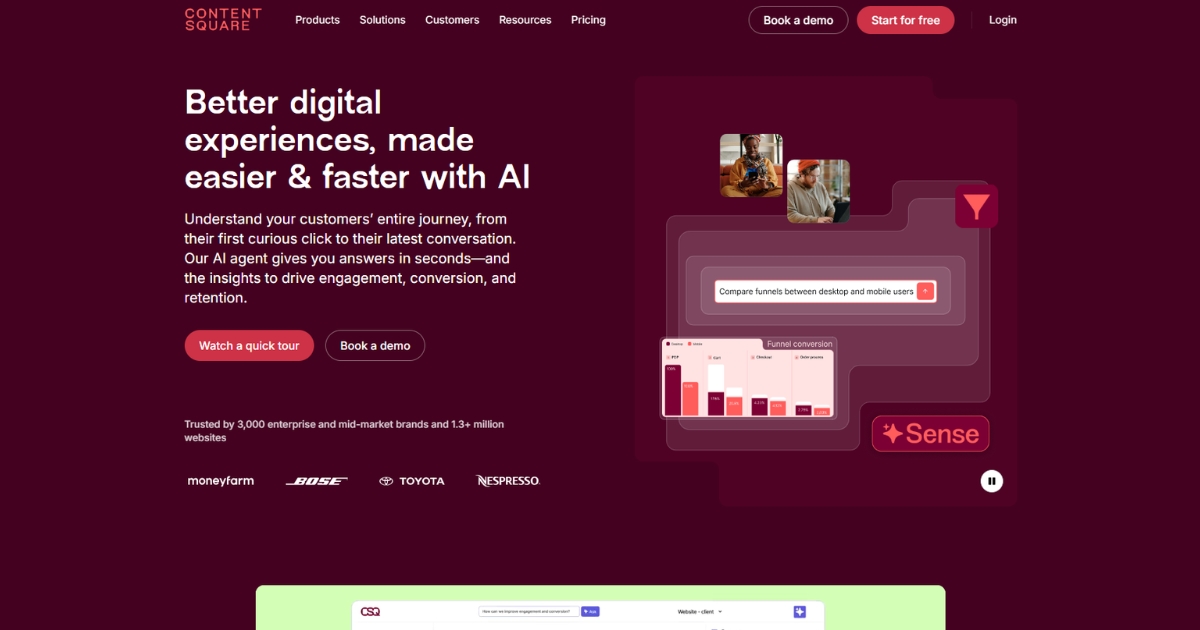
Contentsquare is an experience analytics platform built for websites and apps, ideal for teams focused on behavioral insights.
Key features:
- Zone-based heatmaps, session replays, and path analysis
- Compares how different segments interact with your pages
- Identifies friction points for segments like paid traffic or logged-in users
- Ideal for larger teams that have dedicated analysts
Best for: Conversion and UX teams at scale that want deep interaction analysis.
5. Hotjar
Hotjar is a powerful tool for understanding on-site user behavior through visual data and feedback.
Key features:
- Heatmaps, session recordings, and feedback widgets built in
- Create simple segments by device, page, feedback score, or basic properties
- Watch sessions from users who abandoned checkout or left negative feedback
- Not designed for multi-channel campaigns or lifecycle management
Best for: Teams that need quick visual insights into on‑site behavior.
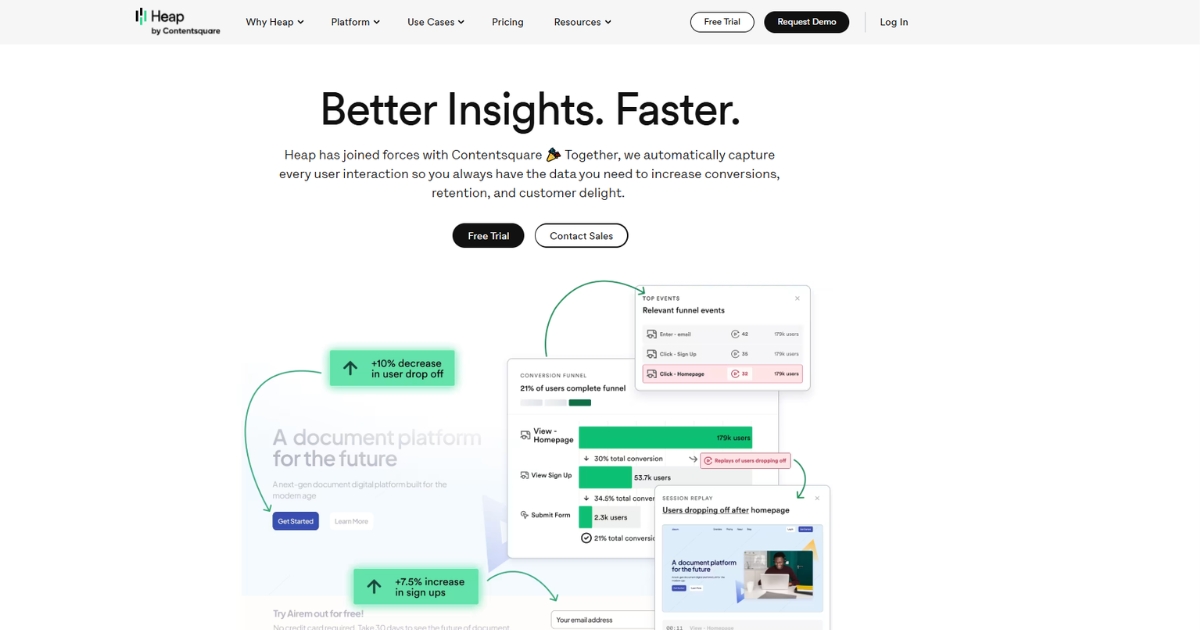
6. Heap
Heap takes a different approach to analytics by capturing data automatically from the start. It’s a solid option for product teams focused on behavioral insights.
Key features:
- Auto-captures clicks, page views, and form interactions by default
- Let’s you define events and properties retroactively
- Offers segmentation by behaviors, funnels, and custom attributes
- Lacks strong attribution and messaging features
Best for: Product teams that want to analyze behavior without planning every event in advance.
7. Maestra
Maestra is a personalization platform built for ecommerce. It runs segmentation on real-time customer profiles that update as each action happens. Segments recalculate just as fast, so they are ready to use in campaigns and flows as soon as you build them.

Key features:
- Uses RFM scores, lifecycle stages, nested logic, calculated fields, and custom attributes
- Updates segments in real time, even during the site session
- Activates the same segment in email, SMS, push, on-site and in-app content
- Includes a forward-deployed marketer who builds segments and flows for you
Best for: Ecommerce brands that want segments wired straight into omnichannel personalization.
8. Klaviyo
Klaviyo is a solid marketing platform built for ecommerce brands. It focuses on email and SMS to help you reach the right customers at the right time.
Key features:
- Builds segments based on purchase history and product interactions
- Sends targeted flows like cart recovery, replenishment, and VIP offers
- Integrates seamlessly with ecommerce platforms like Shopify
- Less suited for SaaS or complex web apps
Best for: Ecommerce stores that want powerful email and SMS campaigns.
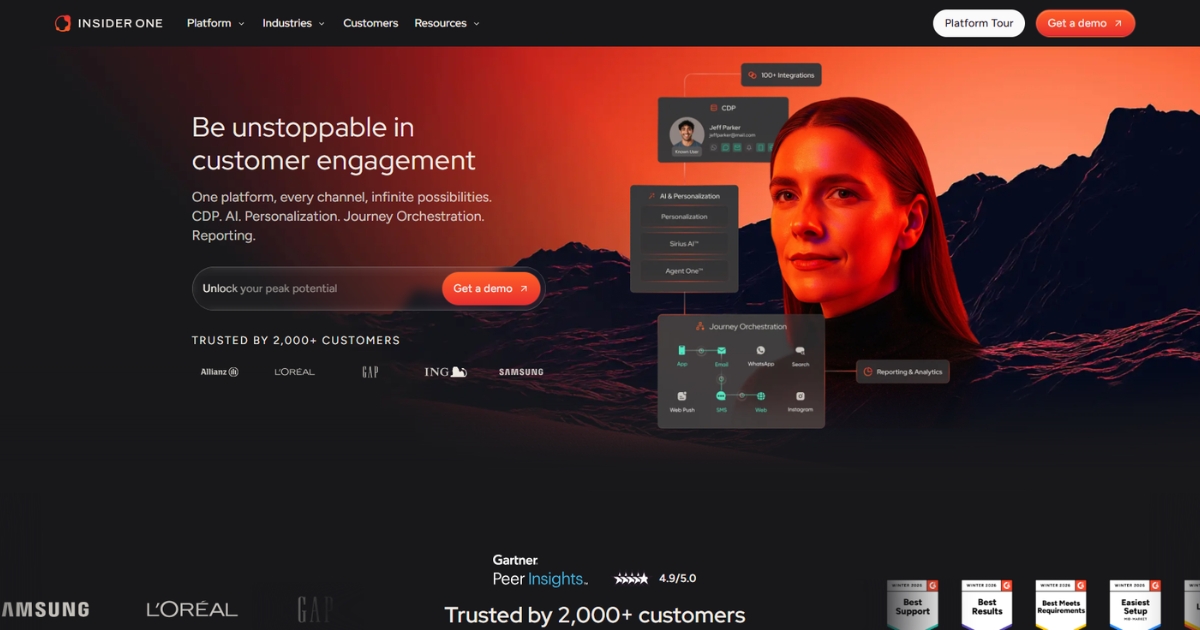
9. Insider One
Insider One is an omnichannel engagement platform that unifies all customer touchpoints in one place. It delivers powerful personalization across every channel seamlessly.
Key features:
- Web personalization and push notifications
- Email and messaging campaigns
- Behavioral audience segmentation,
- Predictive scoring for smarter targeting
- Cross-channel orchestration, with a steeper learning curve for complex flows
Best for: Marketing teams that manage campaigns across several channels.
10. Google Analytics (GA4)
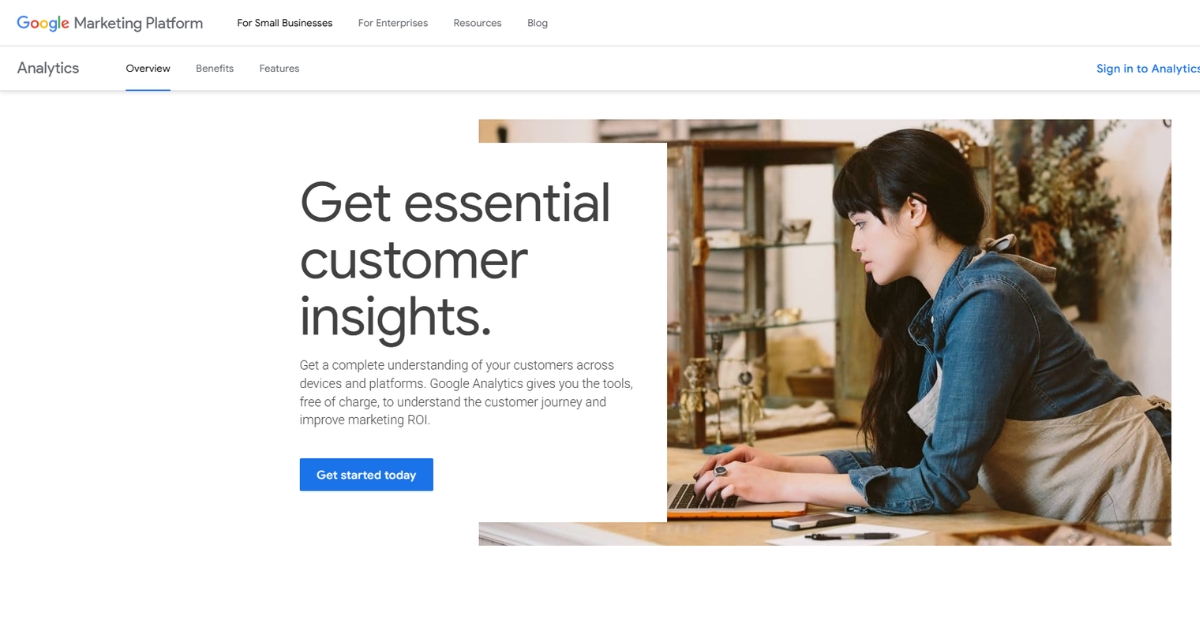
Google Analytics 4 (GA4) is a widely used, free web analytics platform built around event-based tracking rather than simple page views.
Key features:
- Tracks events, behaviors, and conversions across your site and funnels
- Let’s you build segments based on traffic source, behavior, and conversion events
- Includes predictive scores like likely purchasers or likely churners
- Supports audience building and direct export to Google Ads
- Can be complex to set up and interpret for non-analysts
Best for: Basic web analytics and high‑level audience reporting.
11. Qualtrics XM
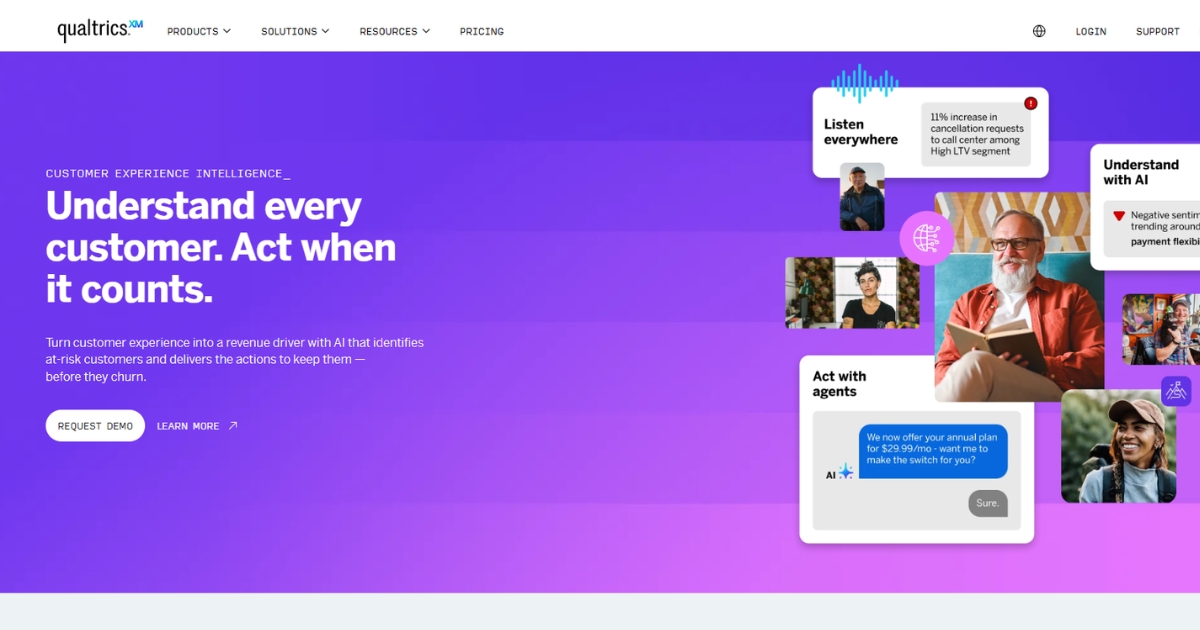
Qualtrics XM is an experience management platform built for enterprise-level research and insights. It offers robust segmentation capabilities suited for B2B strategy and structured research programs.
Key features:
- Group respondents by survey answers, behavioral data, and firmographic attributes
- Supports customer, employee, and product experience management
- Advanced reporting and analytics for strategic planning
- Designed for larger organizations running formal research programs
Best for: Enterprises that run large‑scale research and feedback programs.
12. Monetate
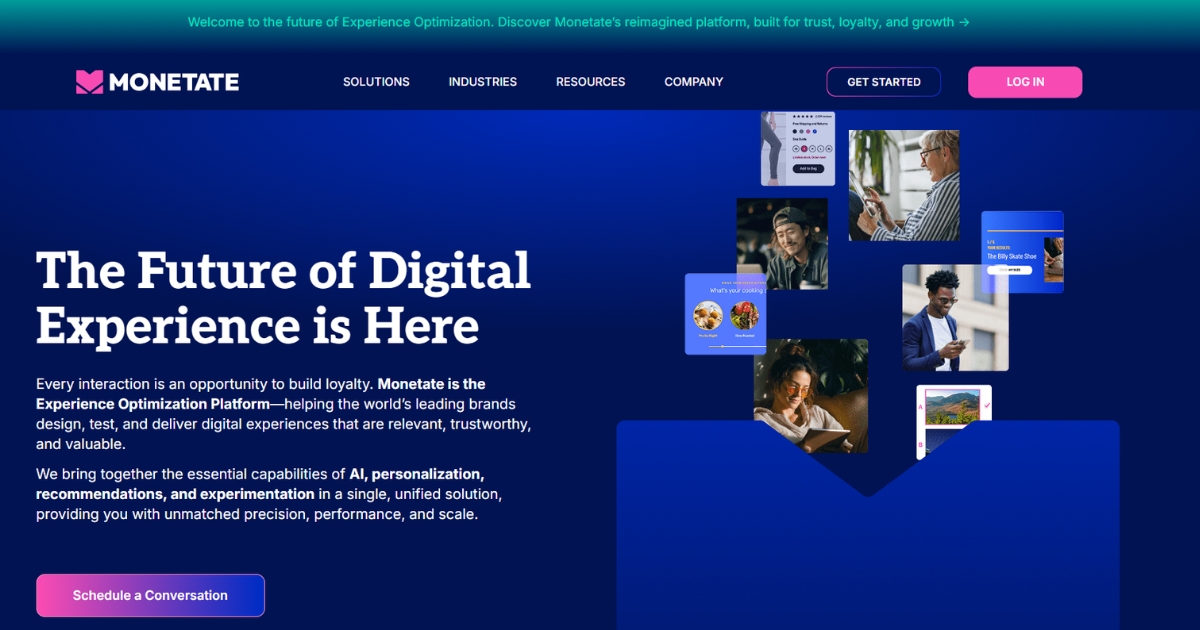
Monetate is a website personalization platform built for ecommerce brands. It tailors on-site experiences based on real-time visitor signals.
Key features:
- Segment by behavior, location, device, and more
- Serve targeted content, banners, and product recommendations
- Differentiate experiences for first-time versus returning buyers
- Best suited for high-traffic sites with a testing culture
- Focused on on-site personalization, not a full analytics or CDP solution
Best for: High‑traffic ecommerce sites focused on on‑site testing and personalization.
13. JustCall
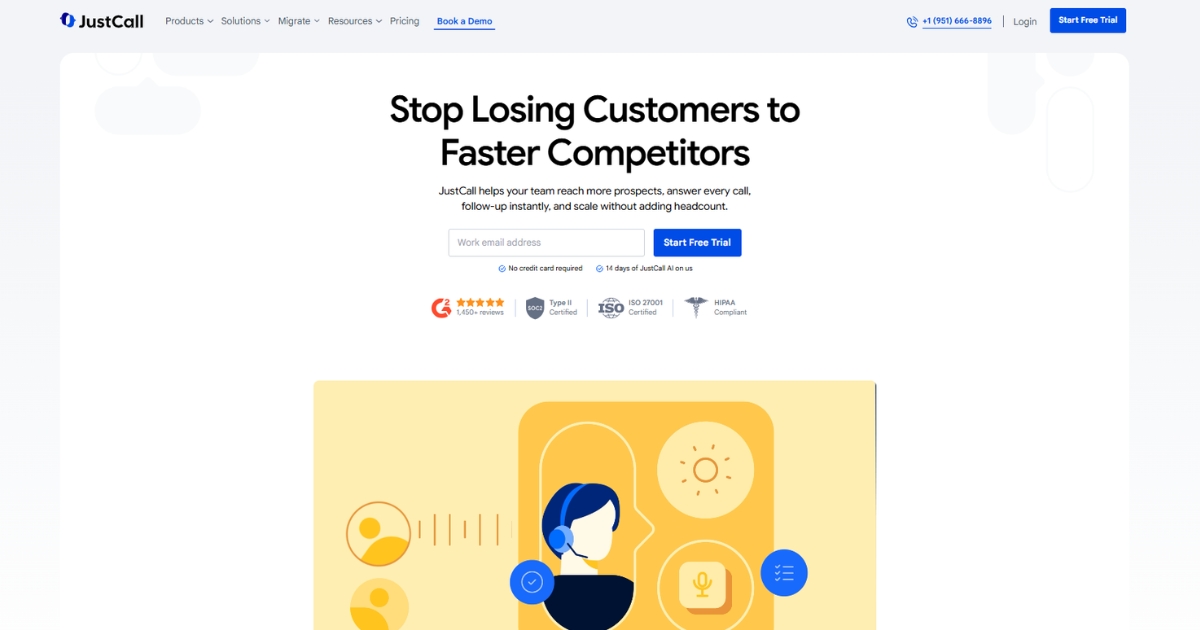
JustCall is an AI-powered business phone system that helps sales and support teams segment and engage customers more effectively across phone and SMS channels. It works best when phone and SMS are central to your sales or retention strategy.
Key features:
- Routes calls based on segments pulled from your CRM or data warehouse
- Personalizes call scripts for specific customer groups
- Triggers outbound sequences targeting defined segments
- Supports SMS and voice within a single platform
- Pairs well with a core analytics tool to define and maintain segments across tools
Best for: Sales and support teams that depend heavily on phone and SMS.
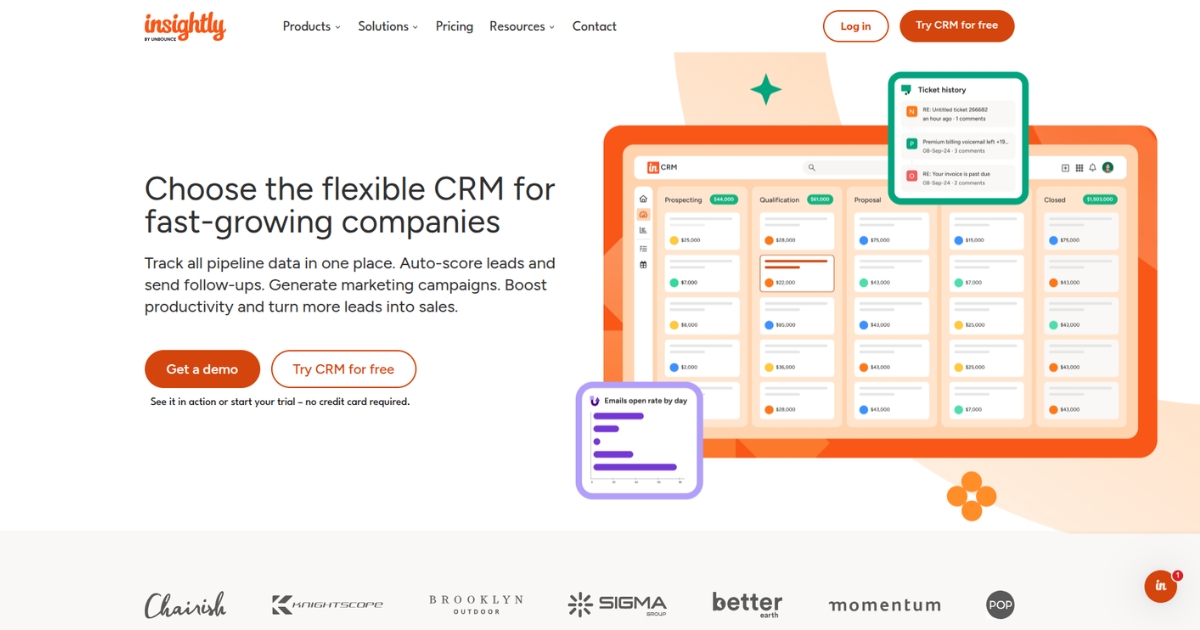
13. Insightly
Insightly is a CRM platform that helps teams manage contacts, pipelines, and customer relationships while keeping reporting and data organization in one place.
Key features:
- CRM for contacts, leads, and opportunity pipelines
- Reporting and dashboards for tracking performance
- App integrations via AppConnect and API options for custom workflows
- Needs consistent CRM field setup, or segments can drift over time
Best for: Growing teams that want CRM-driven customer segmentation tied to pipeline and revenue.
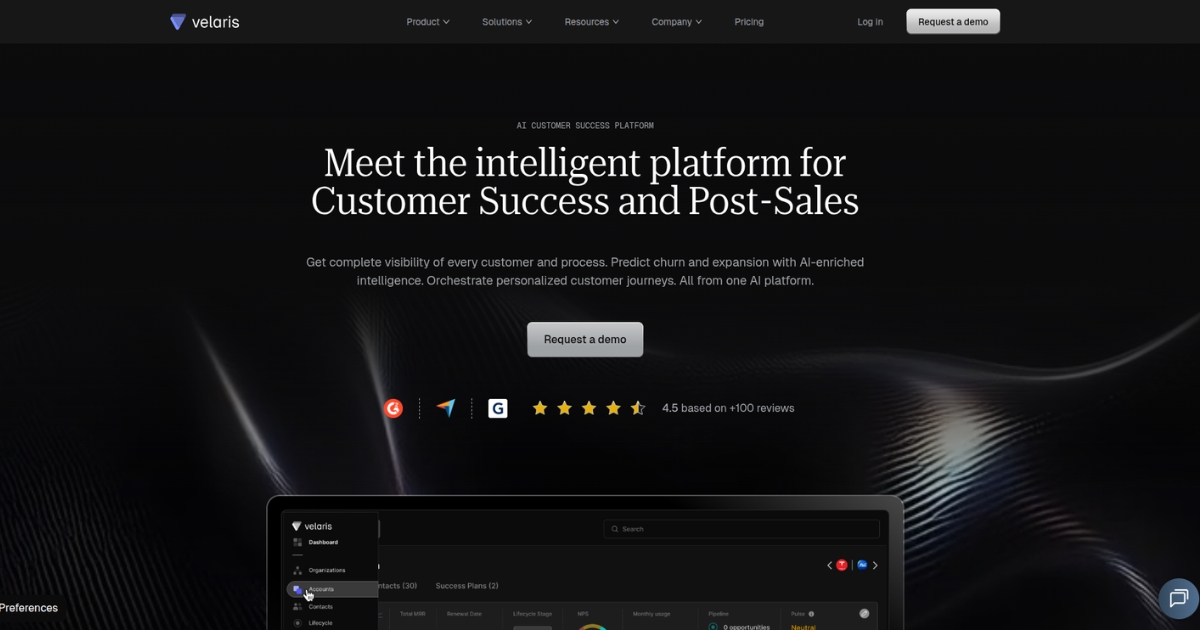
15. Velaris
Velaris is a customer success platform that centralizes account data, tasks, and customer context, enabling CS teams to manage segments, health, and workflows more proactively.
Key features:
- Unified account view with customer data, interactions, and tasks
- Health scoring to identify accounts needing attention
- Automation workflows designed to reduce manual CS ops work
- Less effective without deep integrations, since segments stay surface-level
Best for: CS orgs that want segmented account management, health scoring, and automation.
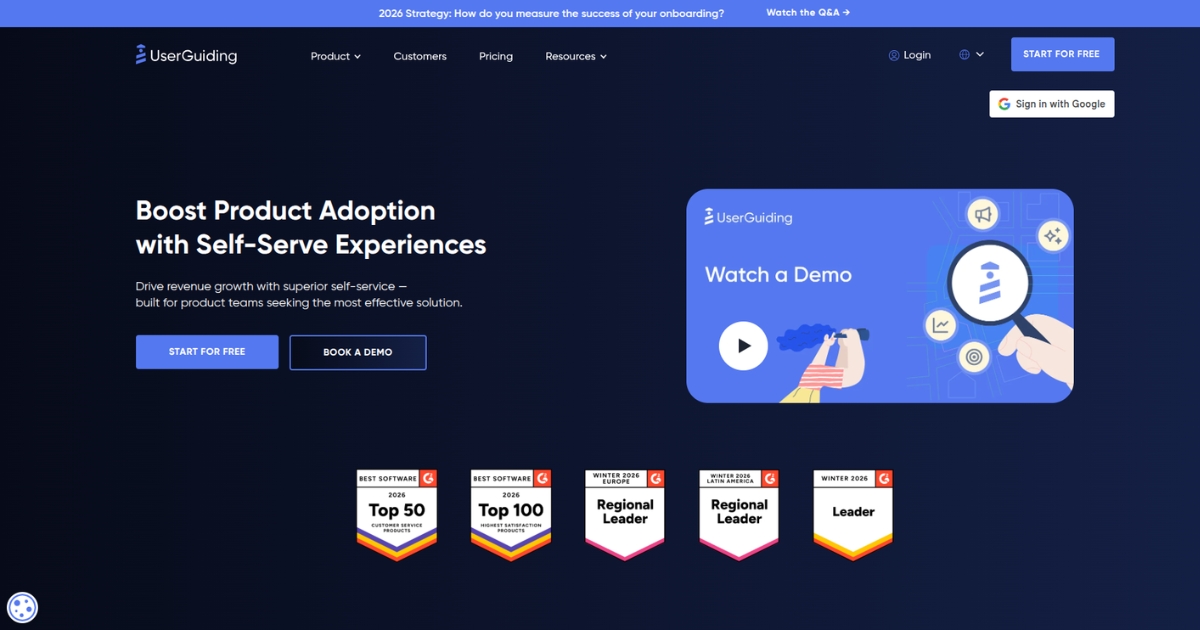
16. UserGuiding
UserGuiding is a product adoption platform for building in-app onboarding and guidance, with targeting that tailors experiences to specific user groups.
Key features:
- In-app guides, walkthroughs, and onboarding flows
- Segmentation and targeting for showing experiences to specific audiences
- Self-serve help and product messaging components (depending on setup)
- Needs reliable user attributes and events to keep targeting accurate
Best for: Product and marketing teams looking for audience segmentation to deliver targeted onboarding and in-app experiences.
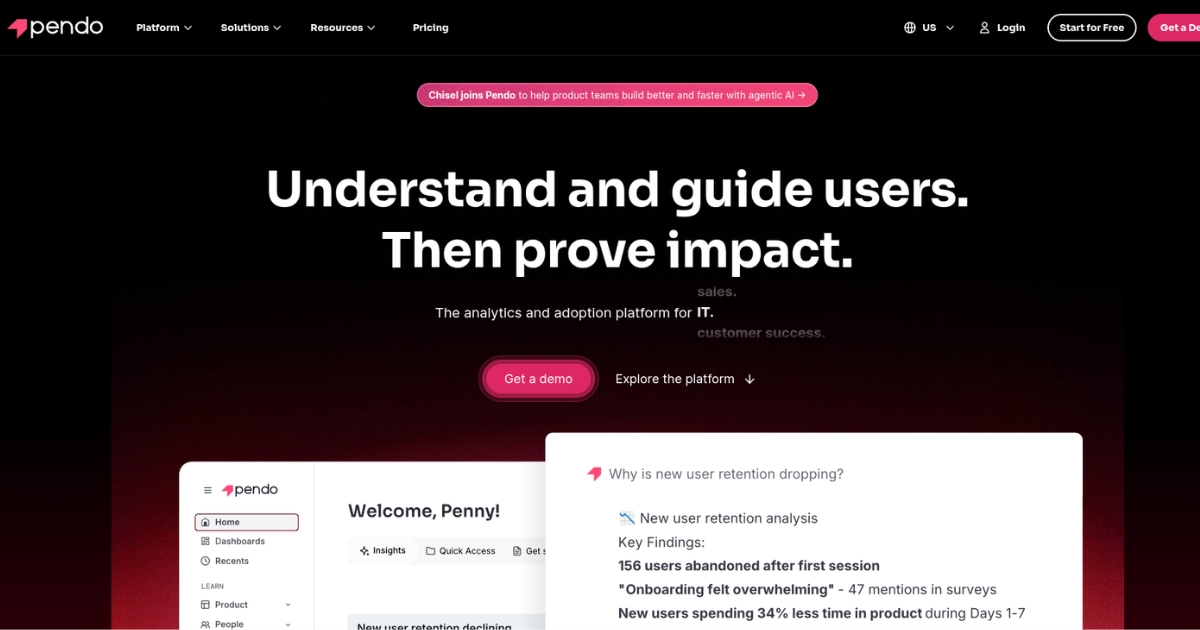
17. Pendo
Pendo combines product analytics with in-app guidance, using segmentation to personalize messaging and understand how different audiences behave in-product.
Key features:
- User and account segmentation based on metadata and product usage
- Product analytics to measure adoption and identify friction
- Targeted in-app messages and guidance by segment
- Performs best when a clear tracking plan is in place from the start
Best for: Product teams that need segmentation-driven analytics plus targeted in-app engagement.
18. Kissmetrics
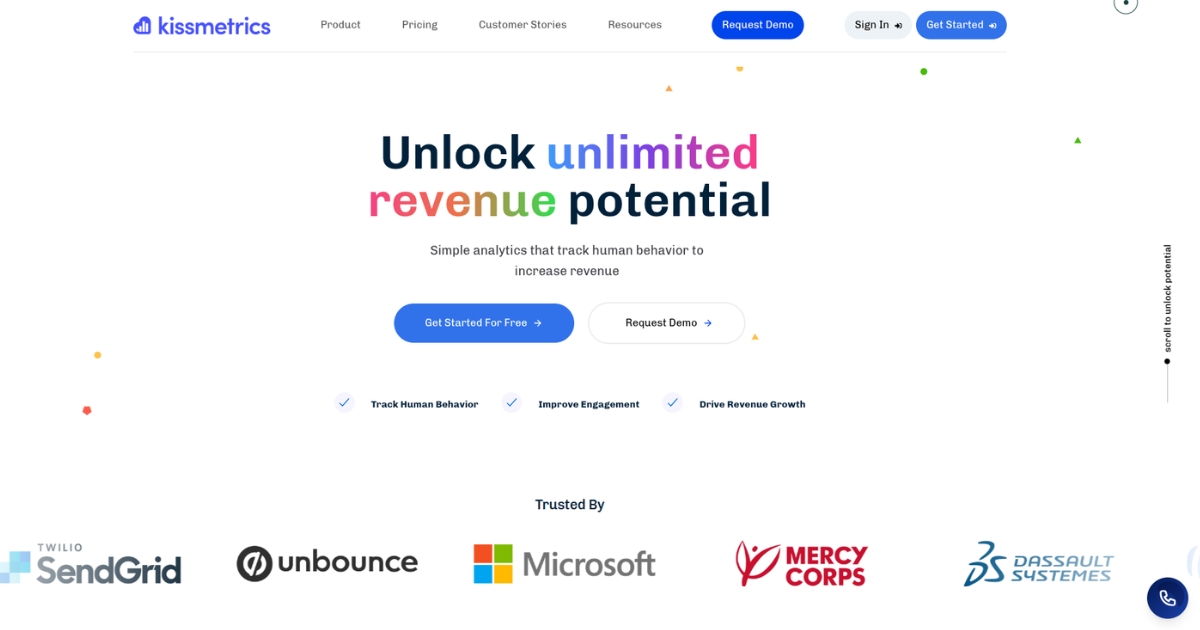
Kissmetrics is an event and customer journey analytics platform. It is particularly effective for teams testing different customer segmentation models to understand behavior over time, including cohort-style analysis and conversion insights.
Key features:
- Behavioral reporting for journeys, funnels, and conversion paths
- Cohort-style views to compare engagement over time
- Segmentation to analyze performance by audience groups
- Works best with a strong event structure, or segmentation stays limited
Best for: Teams that want customer segmentation tied to funnel performance and lifecycle behavior.
19. Pulsar
Pulsar is an audience intelligence and social listening platform designed to help brands understand audience segments, narratives, and cultural trends across digital sources.
Key features:
- Audience intelligence and social listening insights
- Data visualization to explore interests, communities, and narratives
- AI-supported analysis for faster research and reporting (platform dependent)
- Broad queries can blur the output, so segments may feel less specific
Best for: Brand and insights teams focused on audience segmentation from social and cultural data.
20. Creatio CRM
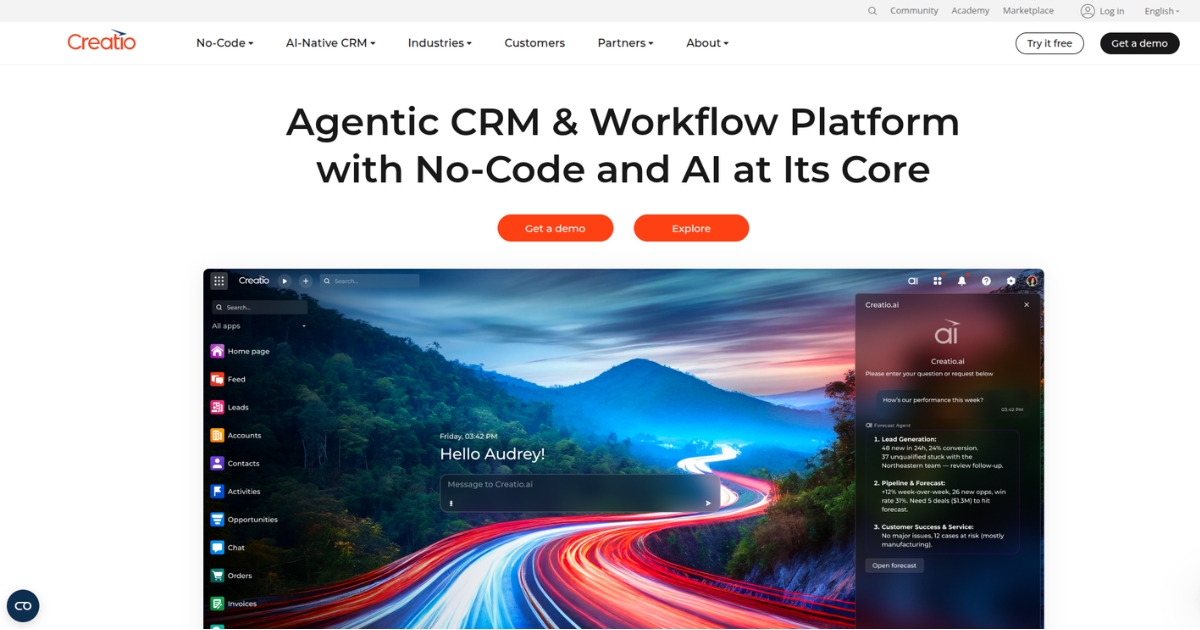
Creatio’s marketing CRM platform supports segmentation and multi-channel campaign orchestration with a no-code and automation-first approach.
Key features:
- Segmentation is built into marketing workflows and orchestration
- Multi-channel campaign execution from a unified system
- No-code customization to adapt processes across teams (implementation dependent)
- Custom setups can fragment segmentation unless rules stay consistent
Best for: Mid-market and enterprise teams that want CRM-based segmentation tied to multi-channel execution.
21. Survicate
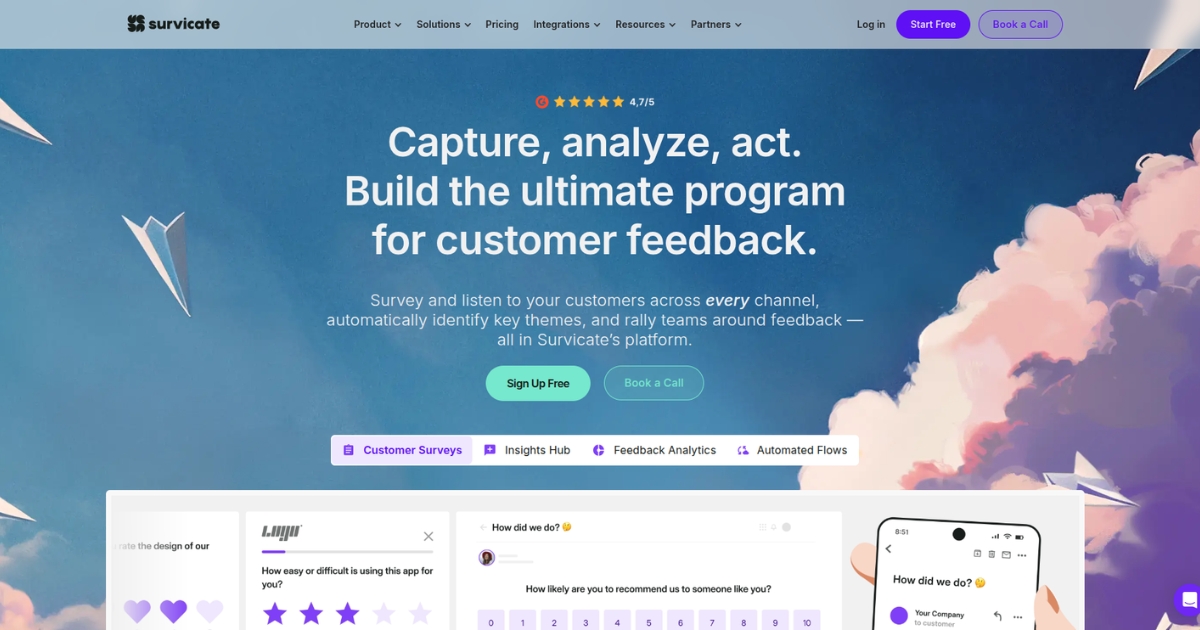
Survicate is a customer feedback platform that collects survey responses across channels and supports segmentation by enriching feedback with product and CRM data.
Key features:
- Surveys across web, product, email, and more (setup dependent)
- Enrich survey responses with CRM/product context for better segmentation
- Improved targeting options to reach specific audiences more precisely
- Wide survey targeting can skew results, making segments less precise
Best for: Teams that want audience segmentation powered by feedback and in-product survey targeting.
22. Omniconvert
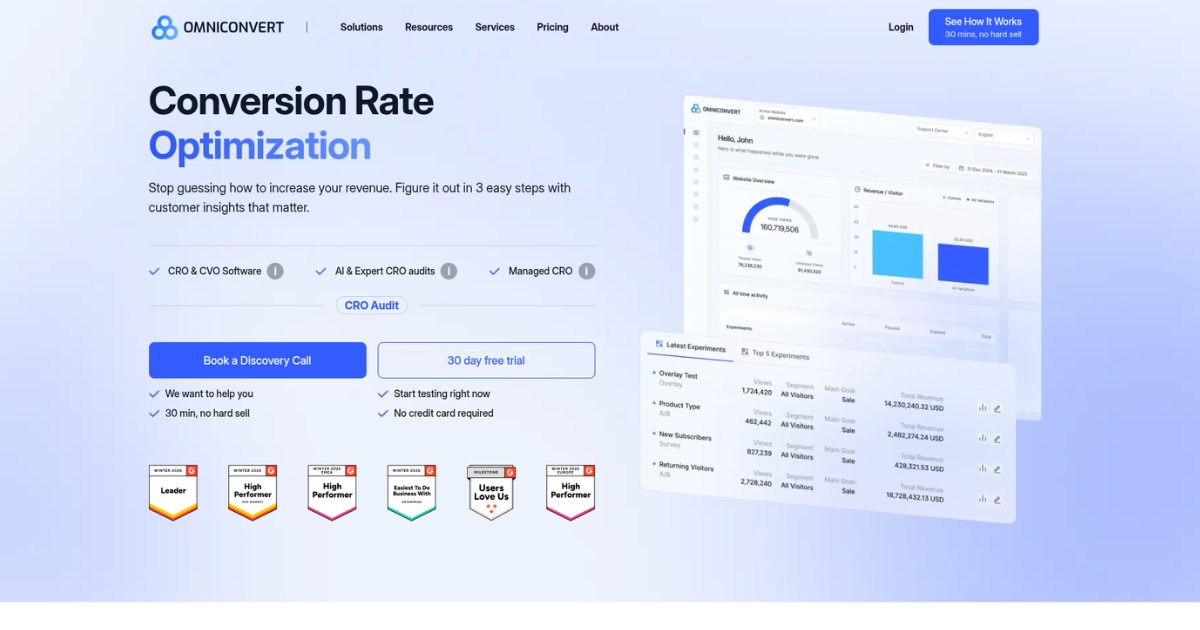
Omniconvert supports personalization and CRO workflows by leveraging segmentation and visitor data points to tailor experiences and improve conversion rates.
Key features:
- Segmentation using multiple visitor data points for targeting
- Website personalization to tailor content and offers by audience
- Experimentation and optimization workflows (suite dependent)
- Pairs well with a structured testing program to validate segment-based changes
Best for: Ecommerce and growth teams using customer segmentation for personalization and CRO.
23. Akita
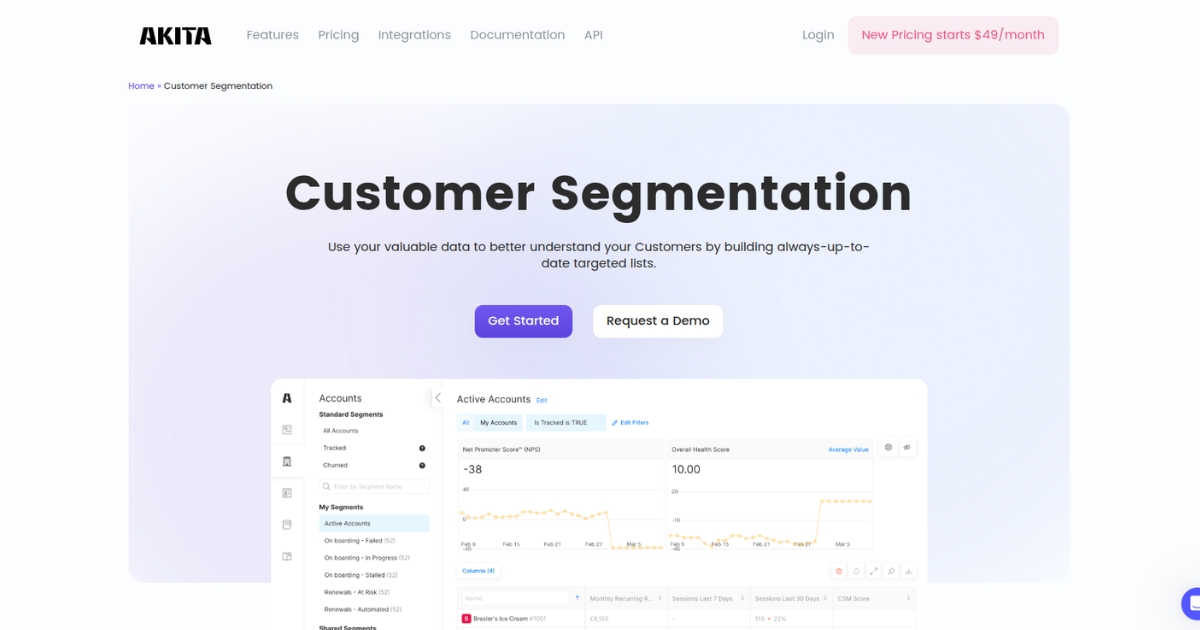
Akita is a customer success platform with customer segmentation features that help teams build targeted customer lists and act on health and lifecycle signals.
Key features:
- Always-up-to-date customer segments using attributes and KPI changes
- Health scoring and lifecycle visibility across accounts (integration dependent)
- Alerts and playbooks based on customer behavior and segment rules
- Needs frequent data sync to keep segments current
Best for: CS teams looking to segment customers for proactive retention and expansion workflows.
24. Totango
Totango is an enterprise customer success platform built to manage success, renewals, and customer intelligence, with segmentation to organize accounts by usage and business context.
Key features:
- Customer segmentation based on criteria like usage behavior and account needs
- Health scoring and customer intelligence for risk and growth signals
- Playbooks to operationalize success motions by segment
- Segmentation becomes hard to maintain without tight cross-team alignment
Best for: CS and revenue teams managing complex segments, renewals, and enterprise success workflows.
24. HubSpot CRM
HubSpot CRM centralizes customer data from sales, service, and marketing teams. The platform’s segmentation tools let you organize your contact lists with custom criteria like prospect lifecycle stage, industry, lead generation source, and more.

Key features:
- Automatic data enrichment from internal and external resources
- Custom objects and properties
- Lead and contact scoring
- Identifies intent signals
Best for: Small and medium-sized sales teams looking to optimize their outreach campaigns through prospect research and personalized messaging.
What features to look for in customer segmentation software
Before comparing names and pricing pages, define your core criteria to avoid costly migrations later. Whether you are a general retailer or a specialized provider using online soap notes software, your data organization must be accessible and actionable.
Here are the key factors to consider when evaluating marketing segmentation software and other market segmentation tools:
- Data integration
Your segments are only as good as the data behind them. Look for a platform that connects seamlessly to your product, CRM, website, support tools, and ad platforms. When integrations work smoothly, you can perform real-time customer segmentation analysis without manual data export, ensuring your segments always reflect current user behavior. - Segmentation depth
This determines how deeply you can segment beyond basic lists. A strong customer segmentation strategy should support demographic, behavioral, firmographic, and lifecycle criteria, often combined with AND/OR logic. This is particularly vital for SaaS customer segmentation, where you must distinguish between trial users, active subscribers, and power users based on feature adoption. - Real‑time updates
These keep your audiences fresh without manual uploads. As people browse, click, purchase, or churn, they automatically move between segments. This lets you send timely messages, such as nudging users who just visited a pricing page or re-engaging customers who stopped logging in. - Ease of use
This is what transforms customer segmentation tools from a data team-exclusive to something your entire team embraces. Look for intuitive interfaces, drag‑and‑drop filters, and segment builders that marketers and product managers can navigate independently. When launching a new segment takes minutes rather than days, experimentation becomes a natural part of the workflow. - Activation features
These decide whether your audience segmentation software stays a passive reporting tool or shapes real customer experiences. The best platforms push segments directly to email tools, ad platforms, and in‑app flows, or fire off campaigns automatically. Export options, webhooks, and native integrations turn a filtered list into a live, targeted sequence without manual intervention. - Privacy and compliance
These are baseline requirements, not optional extras. Ensure your platform supports GDPR and CCPA compliance, manages consent, and provides clear opt-out controls. This safeguards your brand while keeping both regulators and customers on your side.
Why marketers choose Usermaven for customer segmentation
Usermaven helps marketers create customer segments that stay accurate as behavior changes. Segments update in real time, so targeting and reporting stay aligned with what people do on the site or in the product.
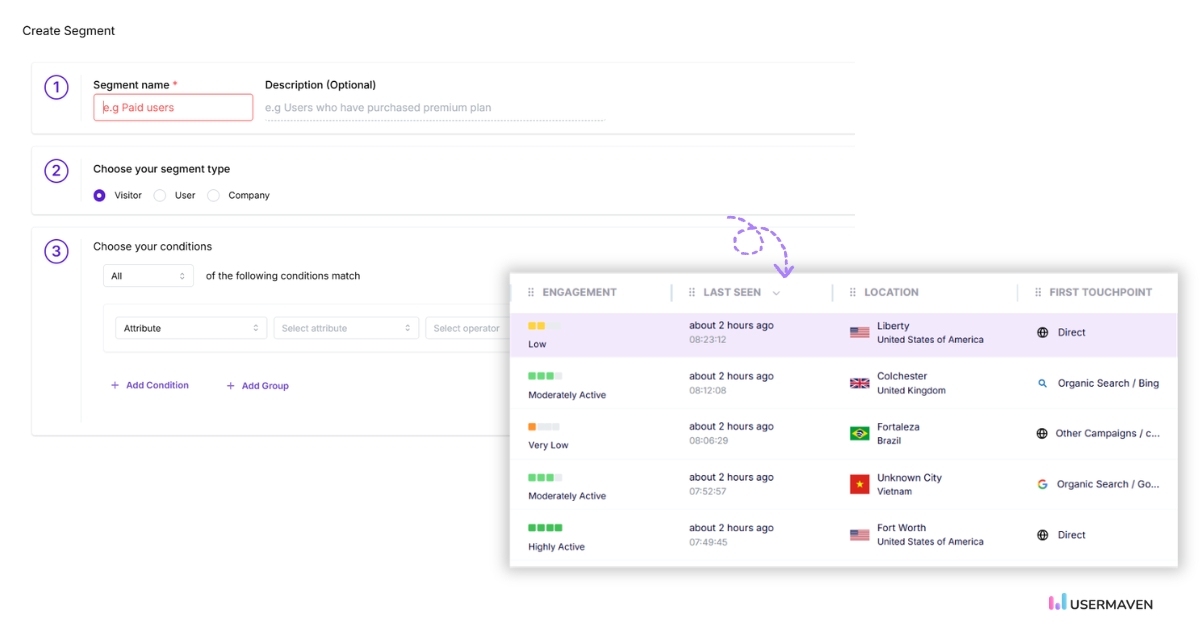
It keeps customer segmentation simple for everyday work. As marketing attribution software with customer segmentation built in, Usermaven makes it easier to see which channels bring the right segments and which campaigns drive conversions.
Marketers use Usermaven to:
- Create segments based on visits, clicks, events, and product usage
- Compare conversions and drop-offs across segments in funnels and journeys
- Identify which channels bring high-intent users, not just high traffic
- Monitor retention signals by segment to support better lifecycle messaging
Why it works for teams:
- No-code tracking that reduces reliance on engineering
- Privacy-friendly measurement that stays dependable
- Clear dashboards that make segments easy to share across marketing and product
Wrapping up
Data is only as good as the decisions it fuels. Effective customer segmentation ensures you aren’t just looking at a list of names but understanding the behaviors that set your advocates apart from your at-risk accounts.
The real power lies in closing the gap between discovery and conversion. Usermaven is a comprehensive website analytics tool that bridges the “before” and “after” of your user journey, allowing you to segment users by their entry point and in-app actions simultaneously.
Ready to see Usermaven in action? Explore the platform or book a demo for a closer look.
FAQs about customer segmentation software
1. What is the customer segmentation process?
The customer segmentation process involves analyzing data to group customers based on shared characteristics or behaviors. This helps businesses target specific groups with personalized marketing, improving engagement and conversions.
2. Can you provide a customer segmentation example?
A simple example is segmenting an eCommerce store’s customers into groups like frequent buyers, first-time visitors, and cart abandoners. Each group receives tailored messaging to increase conversion rates.
3. What is the most common market segmentation?
The most common market segmentation is demographic, which divides customers by characteristics such as age, gender, income, and education. It’s easy to gather and provides valuable insights for targeting.
4. What are the 4 types of customer segmentation?
The four main types of customer segmentation are:
1. Demographic: Based on personal characteristics like age and income.
2. Geographic: Based on location.
3. Behavioral: Based on actions and interactions.
4. Psychographic: Based on lifestyle, values, and interests.
5. What is the best customer segmentation software for small businesses?
For small businesses, Usermaven is ideal, offering a simple, no-code platform with real-time segmentation and powerful insights without the complexity of larger tools.
Updated

Written by
Ryan Mitchell
Marketing Analytics Strategist
Ryan Mitchell is a marketing analytics strategist specializing in campaign measurement, customer journeys, and marketing performance. He writes about analytics, reporting, and data-driven marketing strategies, helping SaaS and B2B teams measure what matters across every stage of the customer journey.
All articles by Ryan →